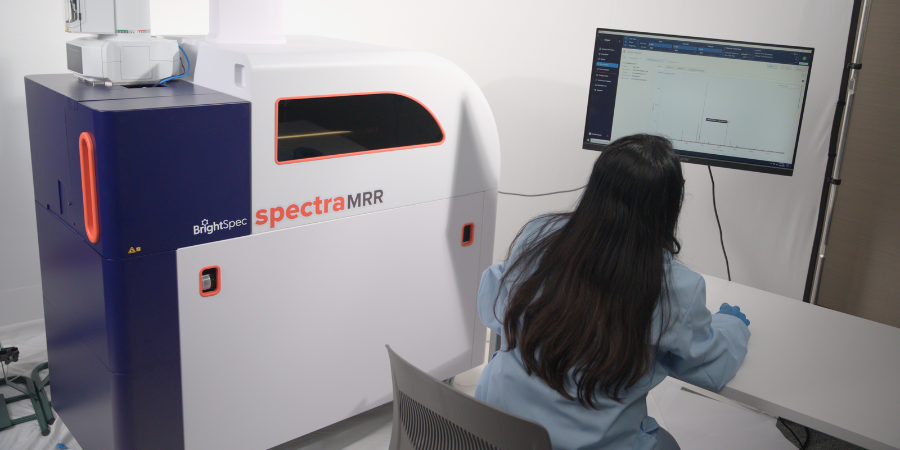
%20(2).png)
Why Use MRR for Chiral Analysis?
-
Direct Enantiomer Differentiation
Differentiate closely related stereoisomers through highly specific molecular rotational fingerprints.
-
No Chromatography or Derivatization
Perform chiral analysis without specialized chiral separations or derivatization workflows.
-
Simplified Analytical Workflows
Reduce analytical complexity while accelerating chiral investigations and method development.
Recommended Products
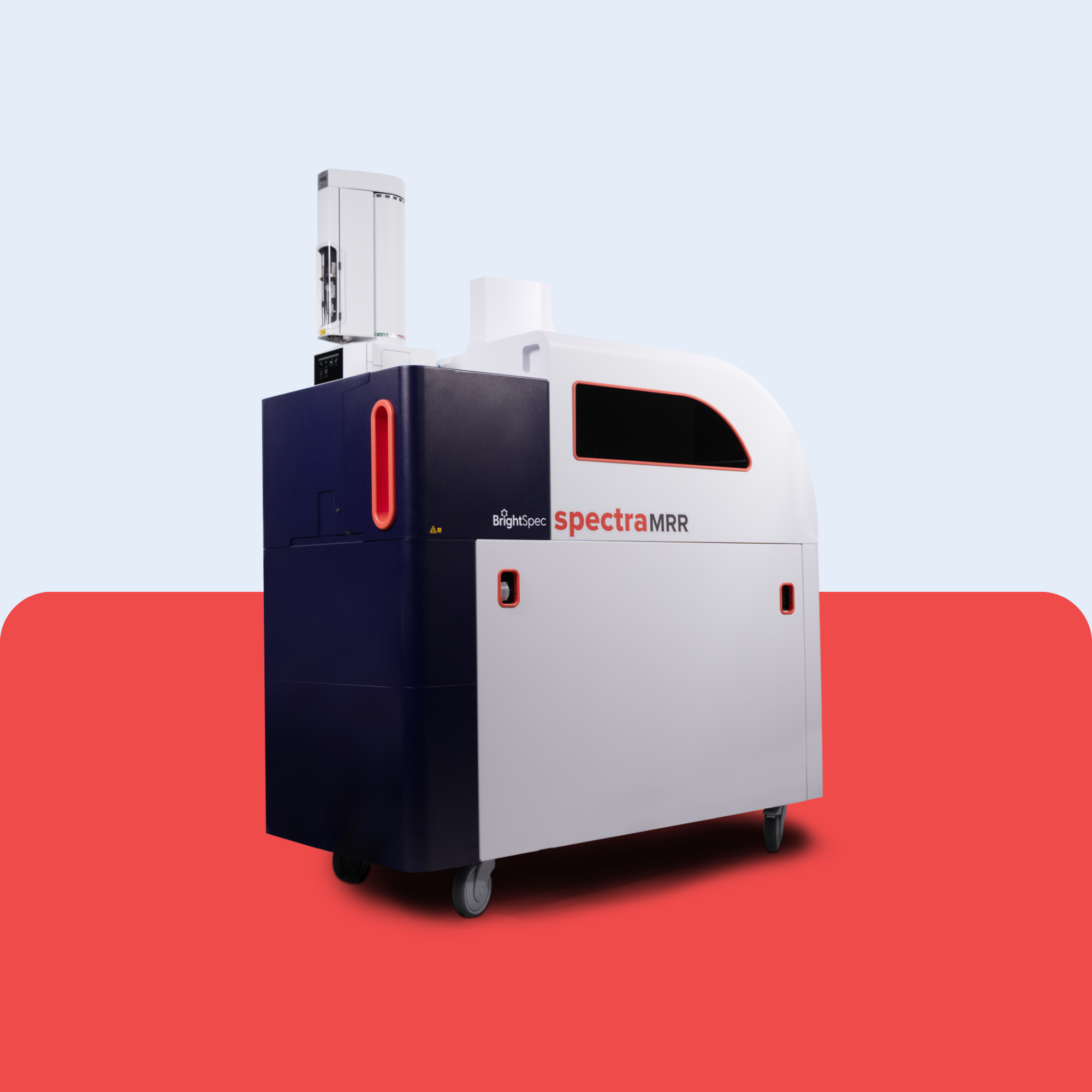
Meet the 
The spectraMRR is BrightSpec's most powerful instrument, designed to streamline complex analytical workflows for pharmaceutical chemists.
 Structure Identification Structure Identification |
|
Quantitation |
|
Library Building |
|
Chiral Analysis |

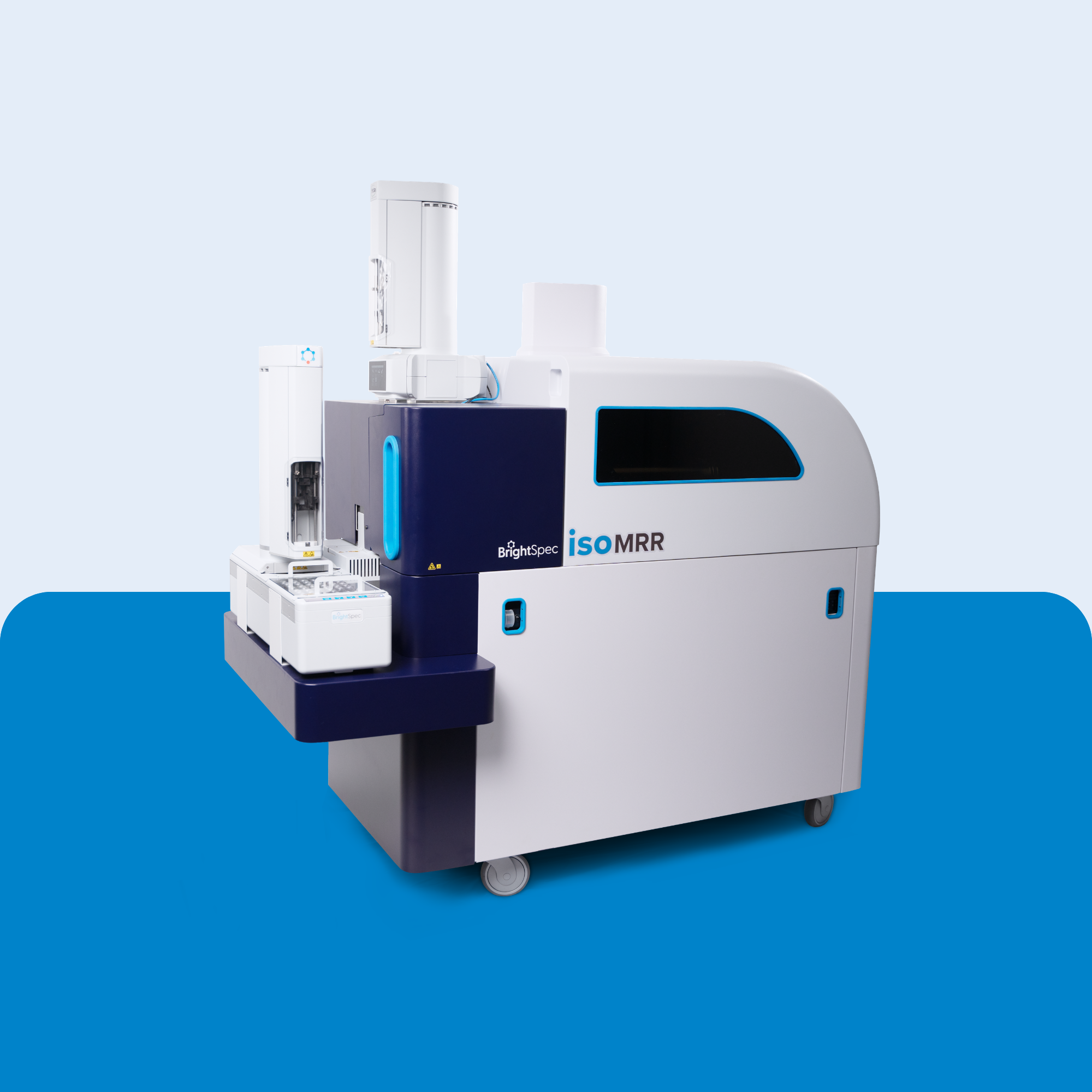
Meet the 
The isoMRR is ideal for analytical chemists running routine analysis of challenging analytes in complex mixtures.
|
Quantitation |
|
Access to Pre-Built Reference Library |
|
Chiral Analysis |

Frequently Asked Questions
-
How does MRR simplify Chiral Analysis?
MRR simplifies chiral analysis by enabling direct differentiation of enantiomers without requiring chiral separation or derivatization.
-
What are the advantages of MRR compared to traditional techniques like chiral GC or LC?
MRR eliminates method development and separation steps, allowing for faster, more direct identification of chiral molecules.
-
What types of chiral molecules are suitable for MRR?
MRR works best for small, polar molecules with a dipole moment, where enantiomers can be differentiated through their rotational spectra.