Simplify Residual Solvent Analysis with Molecular Rotational Resonance (MRR) Spectroscopy

BOOK A DEMO

Direct Residual Solvent Analysis

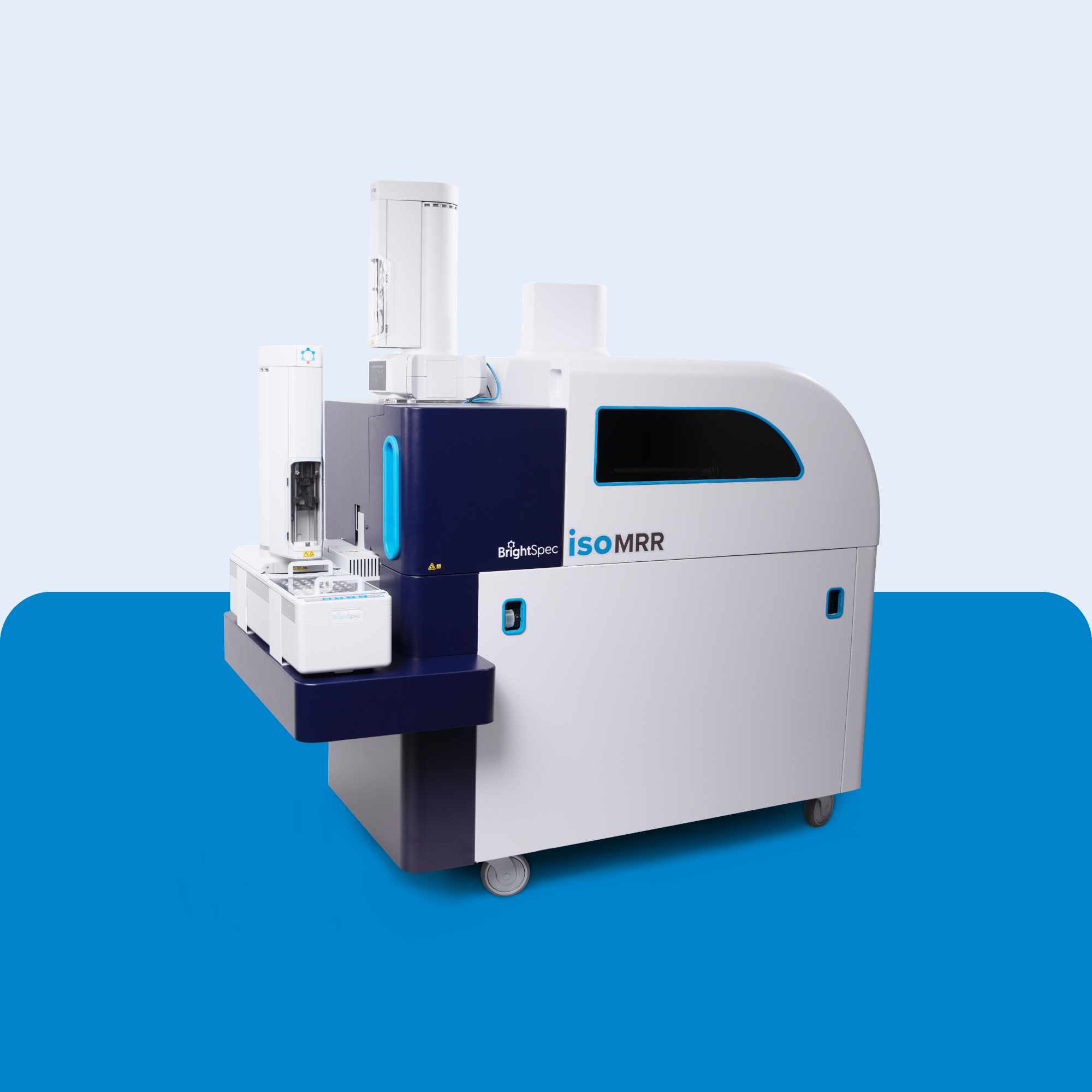
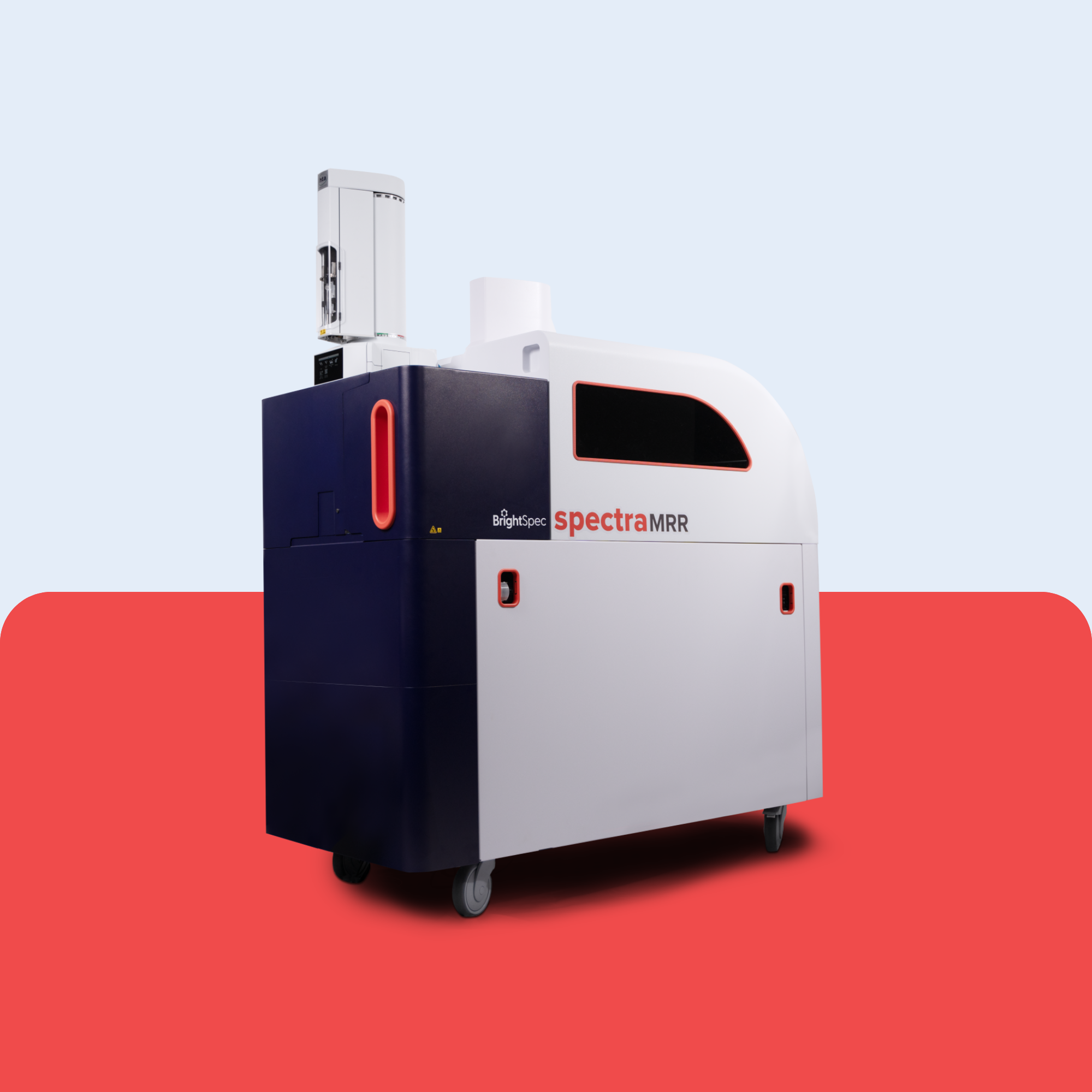
Molecular rotational resonance (MRR) spectroscopy enables structure-specific residual solvent analysis across pharmaceutical, chemical, and research workflows. By generating highly specific molecular fingerprints, BrightSpec's MRR instruments help scientists identify and quantify residual solvents even in complex sample matrices.


Unlike traditional approaches that often rely on chromatographic separations and extensive method development, MRR provides direct molecular information that simplifies residual solvent analysis while supporting confident analytical decisions.


Solving Common Residual Solvent Analysis Challenges with MRR Spectroscopy

Your Challenges

Analytical chemists performing residual solvent analysis must accurately identify and quantify trace volatile impurities across diverse chemistries, manage time-intensive GC method development, and ensure reliable results in complex sample matrices without slowing down workflows. 

Our Solution

 MRR simplifies residual solvent analysis into a single, automated measurement. Chemists can directly identify and quantify trace solvents with high selectivity and linearity, eliminating extensive method development, reducing hands-on time, and delivering reliable results without chromatographic separation or complex sample preparation. 

Key Applications

MRR supports residual solvent identification, quantitation, and monitoring across a wide range of analytical workflows.

Screening for Residual Solvents in Early-Stage Products
Monitoring Solvent Removal During Process Development
Quantifying Trace Solvents in Complex Formulations
Differentiating Structurally Similar or Co-Eluting Solvents
Investigating Unexpected or Unknown Solvent Contamination

Recommended Products
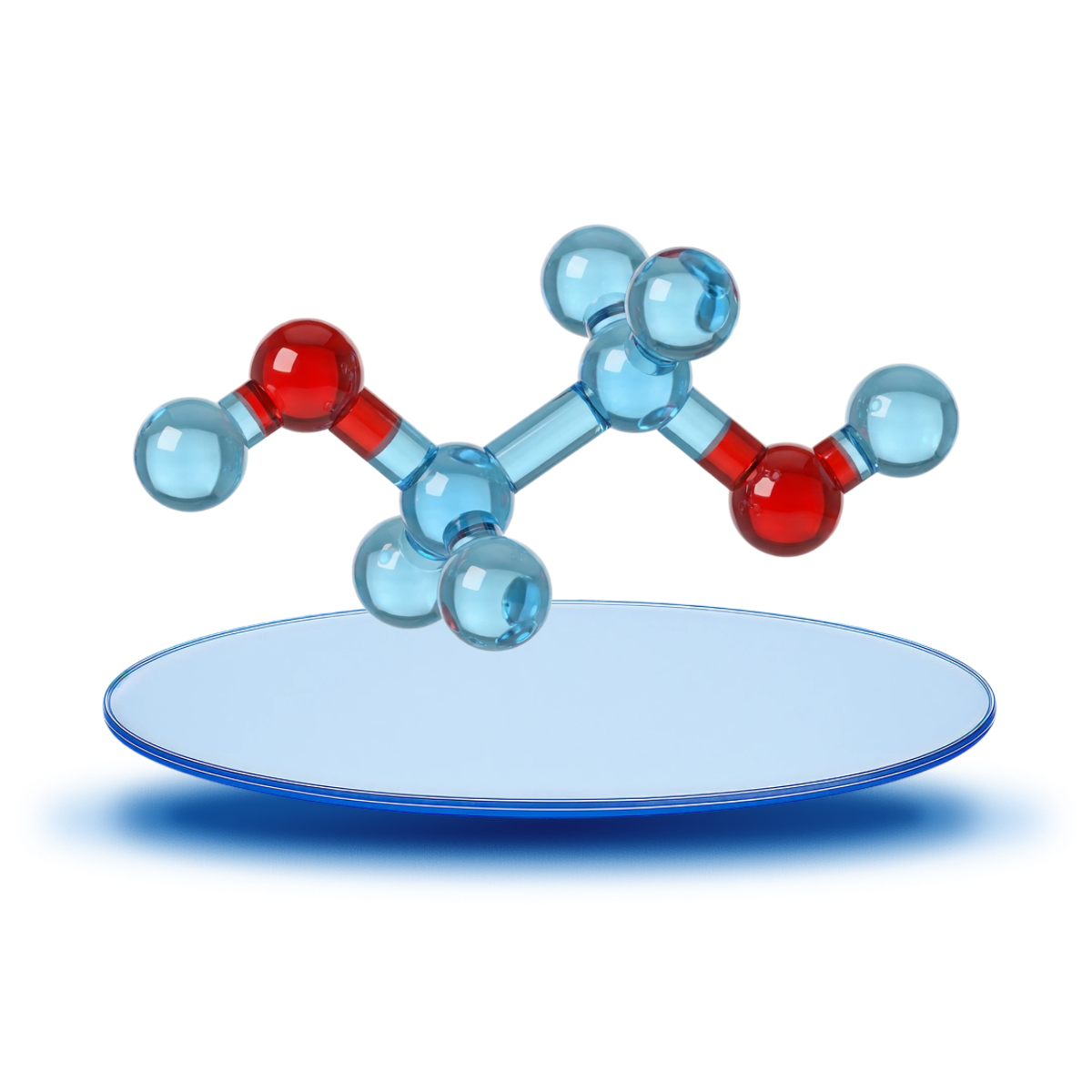
ethylene glycol structure

Frequently Asked Questions

  • How does MRR simplify residual solvent analysis?

    MRR simplifies residual solvent analysis by removing the need for chromatographic separation and replacing it with direct, fingerprint-based molecular detection and quantitation.

  • What are the advantages of MRR compared to traditional techniques like GC-MS and NMR?

    A single MRR measurement can provide solvent identification and quantitation while reducing method development and chromatographic complexity.

  • What types of molecules are suitable for MRR analysis?

    MRR works best with small molecules. To read a molecule's molecular "fingerprint", MRR requires molecules to have a dipole moment and to have polarity.


Resources

Explore real-world examples of MRR-enabled residual solvent analysis in these resources.
Webinars Molecule MRR spectroscopy residual solvent analysis

Fast & Reliable Quantitation of Challenging Residual Solvents in Dietary Supplements Using MRR


Discover a practical approach to residual solvent testing in dietary supplements.

Application Notes Molecule MRR spectroscopy residual solvent analysis

Direct Analysis of Class 2 Residual Solvents Using Molecular Rotational Resonance Spectroscopy


Discover a more efficient approach to Class 2 residual solvent testing in pharmaceutical products.

Posters Molecule MRR spectrosocpy residual solvent analysis

High-Throughput, Fully Automated Analysis of USP <467> Residual Solvents Using Headspace-MRR


Learn how automated workflows increase throughput for residual solvent testing.

2-Apr-15-2025-04-08-47-2383-PM-w600

Subscribe to Our Newsletter