%20(2).png)
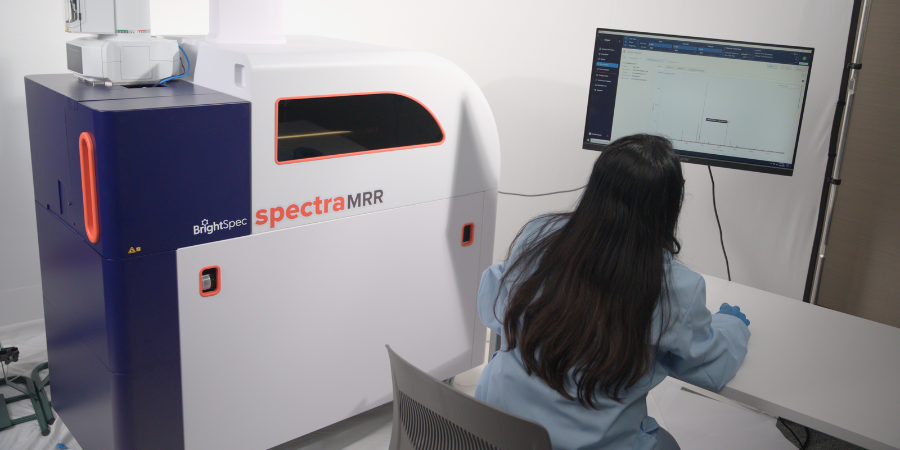
Why Use MRR in Education?
-
Support Hands-On Learning
Connect classroom concepts with direct molecular measurements.
-
Simplify Complex Concepts
Help students visualize molecular structure, spectroscopy principles, and quantitative analysis concepts.
-
Prepare Future Scientists
Provide practical experience with analytical technologies used in research and industry.
Recommended Products
.png)
Meet the 
The nanoMRR™ is ideal for educators and researchers seeking a compact and streamlined method for complex chemical analysis.
 Quantitation Quantitation |
|
Access to Pre-Built Reference Library |

Frequently Asked Questions
-
How is MRR used in education?
MRR helps students learn molecular structure through direct, observable measurements.
-
Is MRR suitable for teaching labs?
Yes, MRR simplifies workflows, making it accessible for educational environments.
-
What concepts can MRR help teach?
MRR is useful for teaching molecular structure, spectroscopy principles, quantitative analysis, and analytical chemistry concepts.