%20(2).png)
Why Use MRR for Essential Oil Analysis?
-
Confident Authenticity Verification
Confirm essential oil composition through direct molecular information rather than indirect analytical markers.
-
Adulteration Detection
Identify unexpected, substituted, or diluted components with exceptional molecular specificity.
-
No Chromatographic Separation
Reduce analytical complexity by eliminating extensive chromatographic method development.
Recommended Products
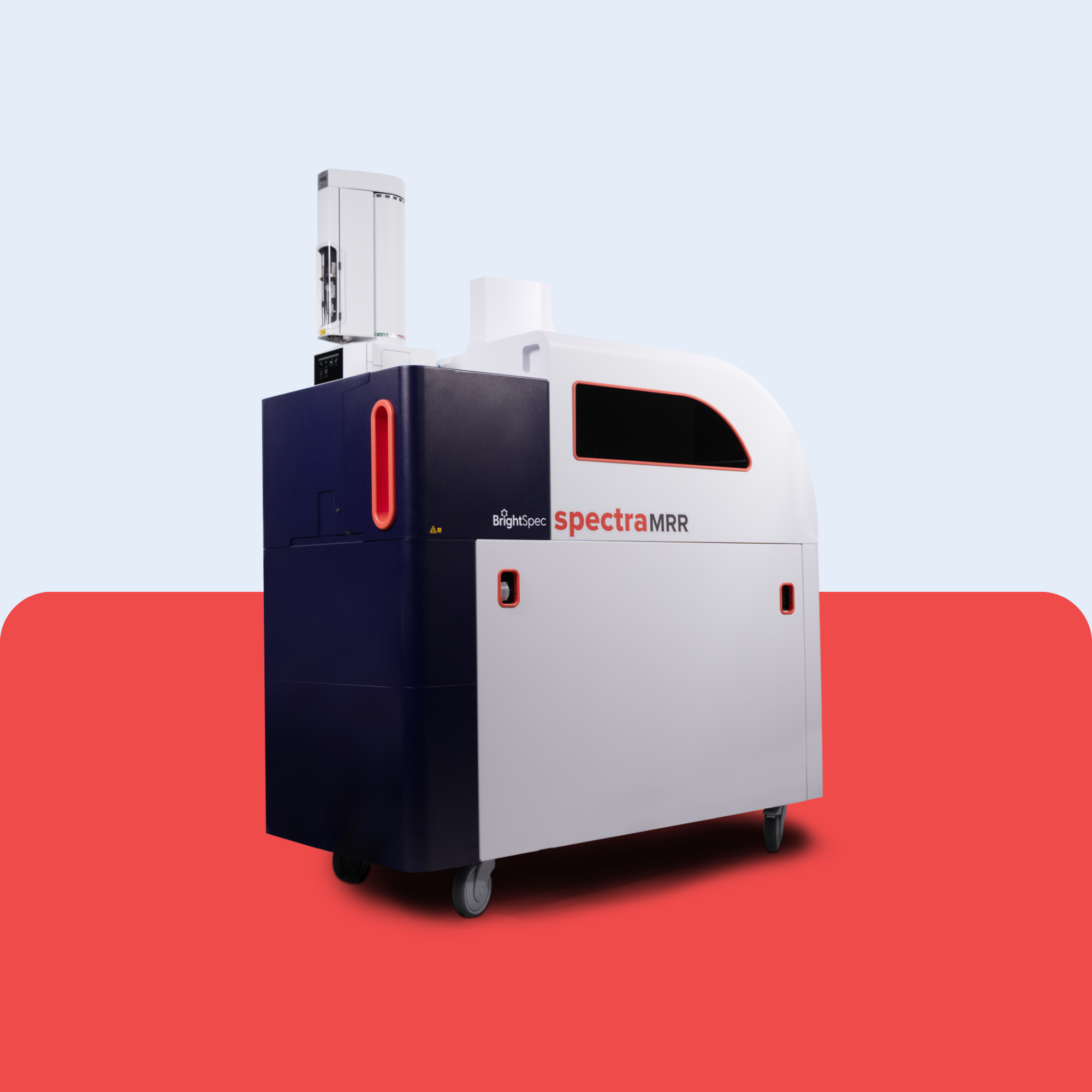
Meet the 
The spectraMRR™ is BrightSpec's most powerful instrument, designed to streamline complex analytical workflows for pharmaceutical chemists.
 Structure Identification Structure Identification |
|
Quantitation |
|
Library Building |
|
Chiral Analysis |

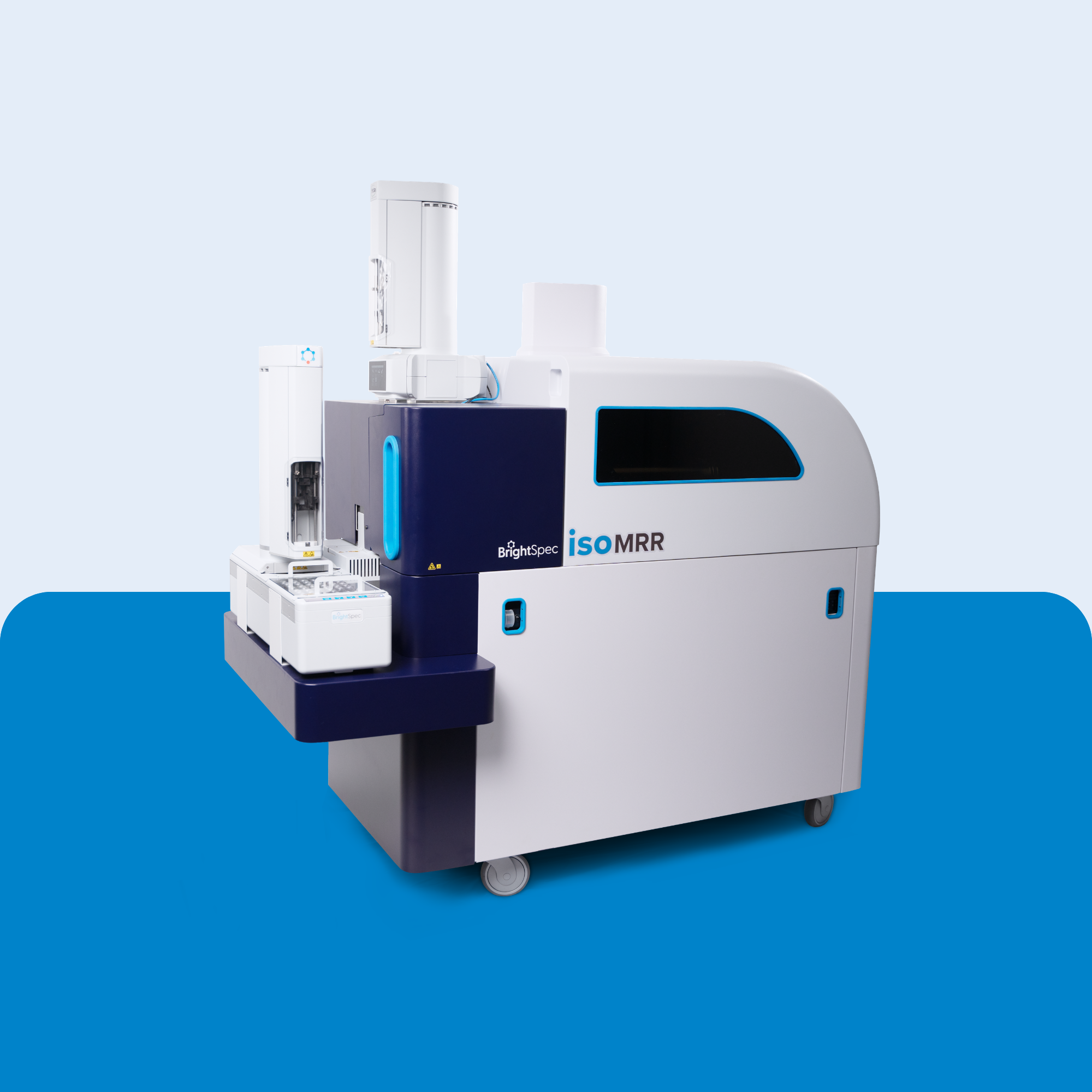
Meet the 
The isoMRR™ is ideal for analytical chemists running routine analysis of challenging analytes in complex mixtures.
|
Quantitation |
|
Access to Pre-Built Reference Library |
|
Chiral Analysis |


Frequently Asked Questions
-
How does MRR simplify essential oil testing?
MRR directly identifies components based on molecular fingerprints, eliminating the need for separation-based workflows.
-
Can MRR detect adulteration in essential oils?
Yes, MRR can identify unexpected or non-native compounds with high specificity.
-
What types of compounds in essential oils can MRR analyze?
MRR is well-suited for small, volatile, polar molecules such as terpenes and flavor compounds.