%20(2).png)
Why Use MRR in Pharmaceutical Analysis?
-
Structure-Specific Molecular Information
Generate direct molecular evidence for compound identification, characterization, and validation.
-
Streamlined Analytical Workflows
Reduce reliance on chromatography, derivatization, and multiple complementary techniques.
-
Support Across the Drug Development Lifecycle
Apply MRR to research, development, quality control, impurity analysis, and residual solvent testing.
Recommended Products

Meet the 
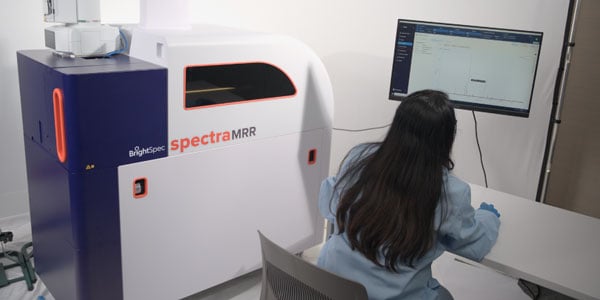
The spectraMRR™ is BrightSpec's most powerful instrument, designed to streamline complex analytical workflows for pharmaceutical chemists.
 Structure Identification Structure Identification |
|
Quantitation |
|
Library Building |
|
Chiral Analysis |

Meet the 
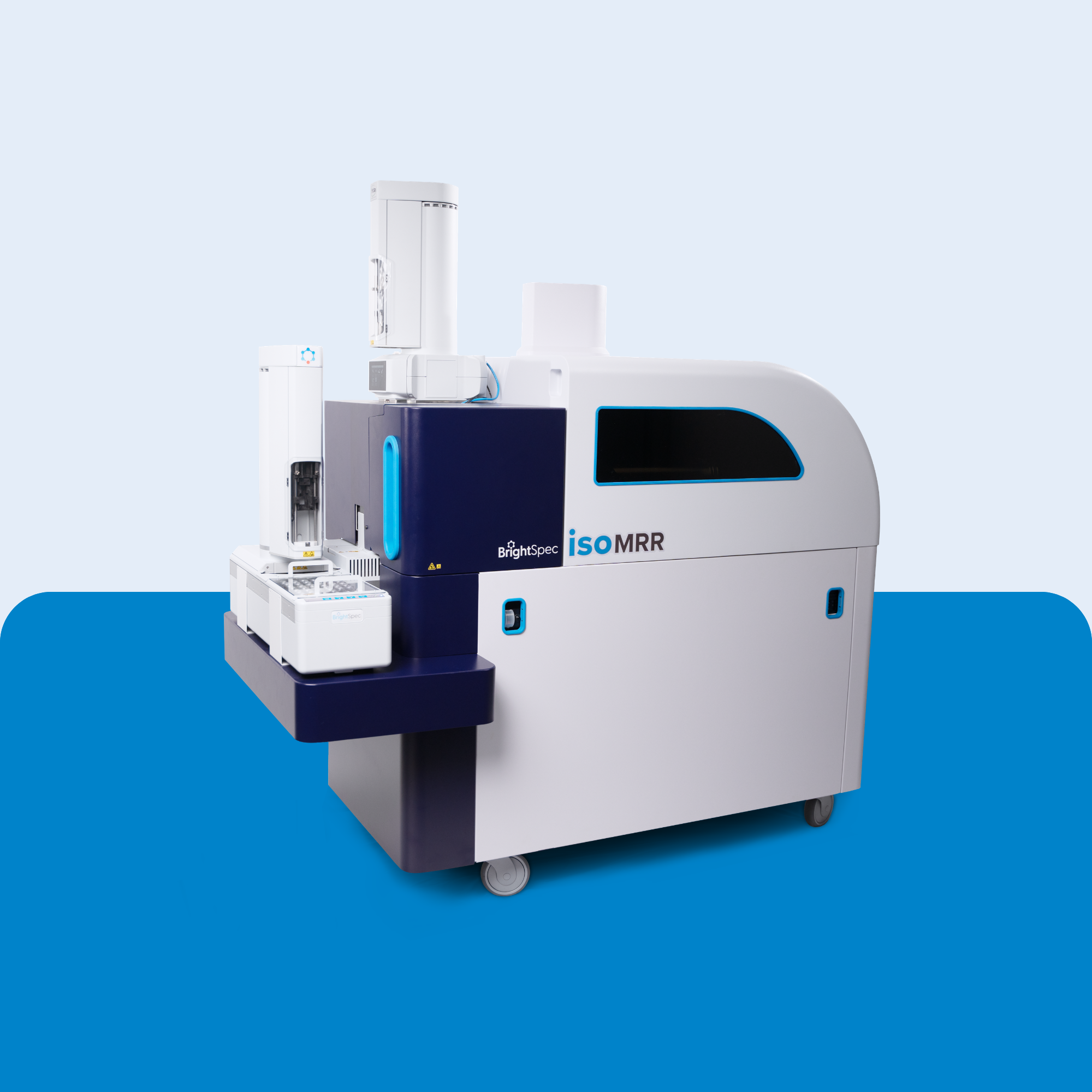
The isoMRR™ is ideal for analytical chemists running routine analysis of challenging analytes in complex mixtures.
|
Quantitation |
|
Access to Pre-Built Reference Library |
|
Chiral Analysis |

Frequently Asked Questions
-
How do chemists use MRR in the pharmaceutical industry?
Chemists in the pharmaceutical industry use MRR to resolve the structures of their small molecules, to test for harmful substances in their ingredients, and more.
-
What are the advantages of MRR compared to traditional techniques like GC-MS and NMR?
A single experimental run of an MRR workflow can give you definitive structure data and quantitation, saving your team time and effort.
-
What types of molecules are suitable for MRR analysis?
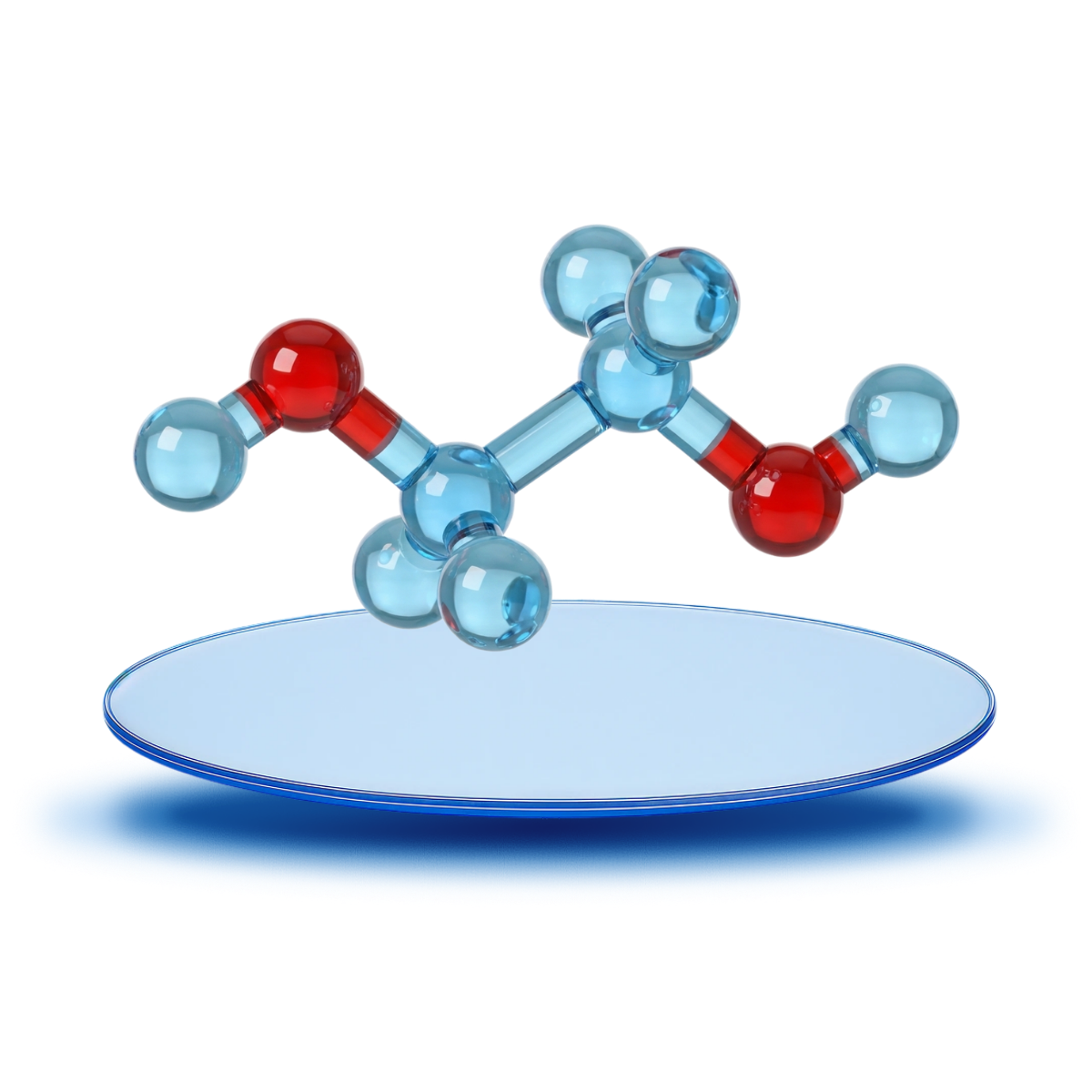
MRR works best with small molecules. To read a molecule's molecular "fingerprint", MRR requires molecules to have a dipole moment and to have polarity.