%20(2).png)
Why Use MRR for Life Science Research?
-
Characterize Unknown Compounds
Identify and investigate unexpected molecules through highly specific molecular measurements.
-
Confirm Molecular Structures
Validate candidate compounds and structural hypotheses with direct molecular information.
-
Accelerate Research Activities
Reduce reliance on multiple analytical techniques while streamlining molecular investigations.
Recommended Products

Meet the 
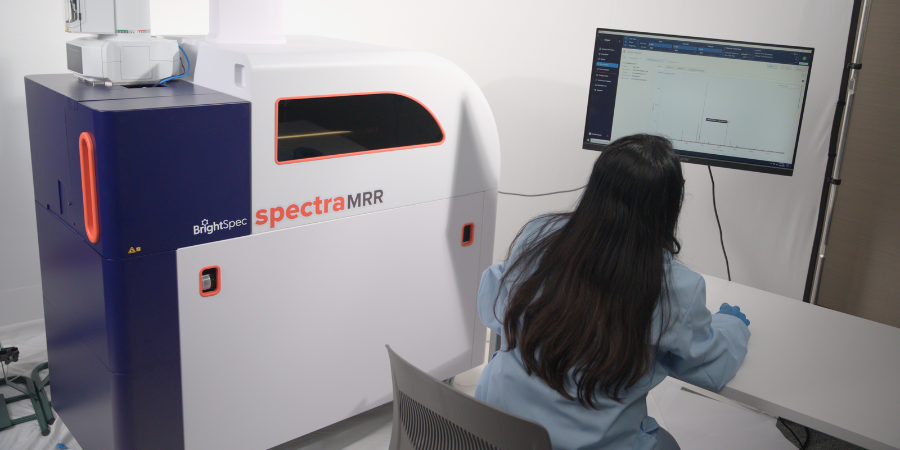
The spectraMRR™ is BrightSpec's most powerful instrument, designed to streamline complex analytical workflows for pharmaceutical chemists.
 Structure Identification Structure Identification |
|
Quantitation |
|
Library Building |
|
Chiral Analysis |

Meet the 
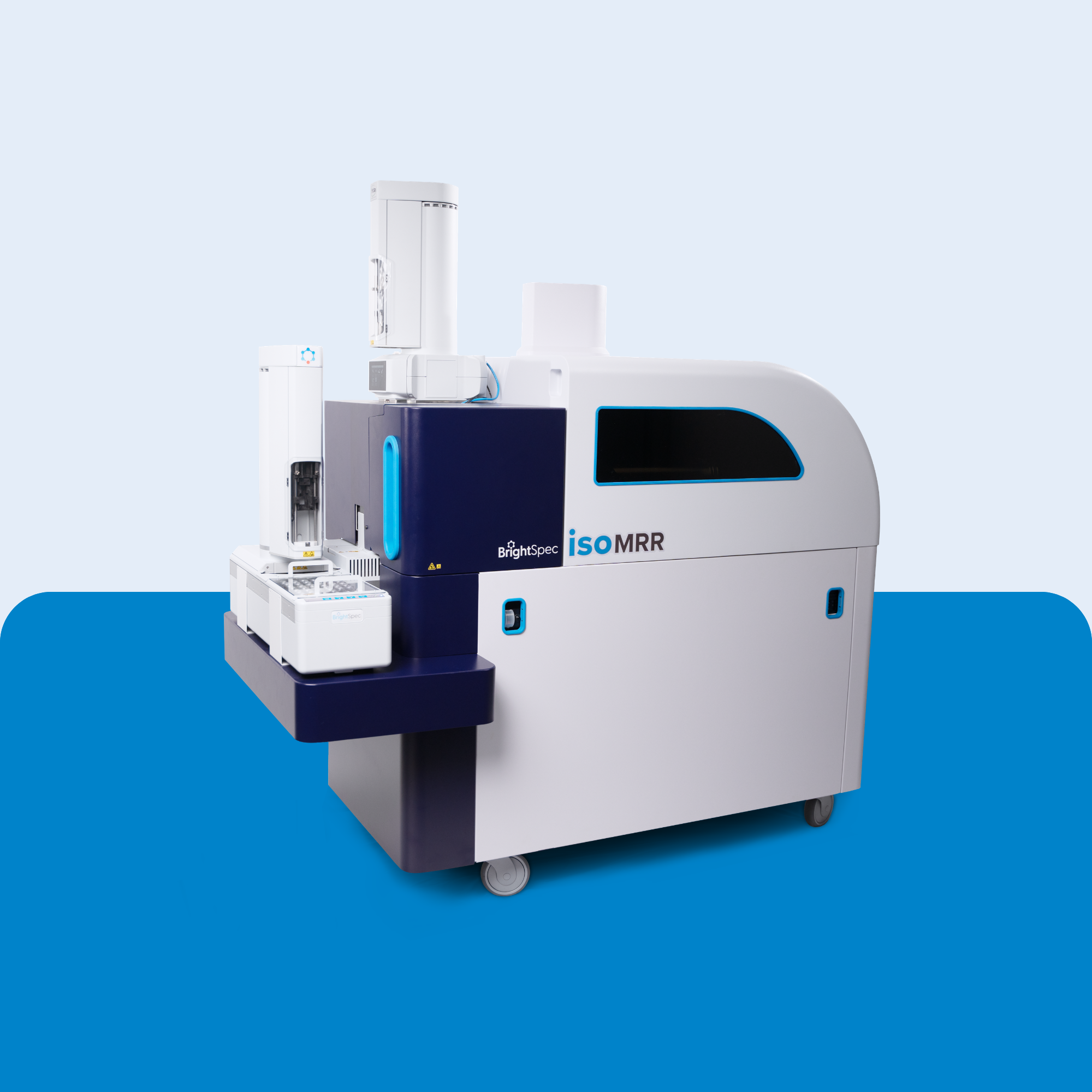
The isoMRR™ is ideal for analytical chemists running routine analysis of challenging analytes in complex mixtures.
|
Quantitation |
|
Access to Pre-Built Reference Library |
|
Chiral Analysis |

Frequently Asked Questions
-
How is MRR used in life science research?
MRR is used for structure identification, unknown analysis, and molecular characterization.
-
Can MRR accelerate research workflows?
Yes, MRR reduces the need for multiple analytical techniques.
-
What types of molecules are suitable for MRR?
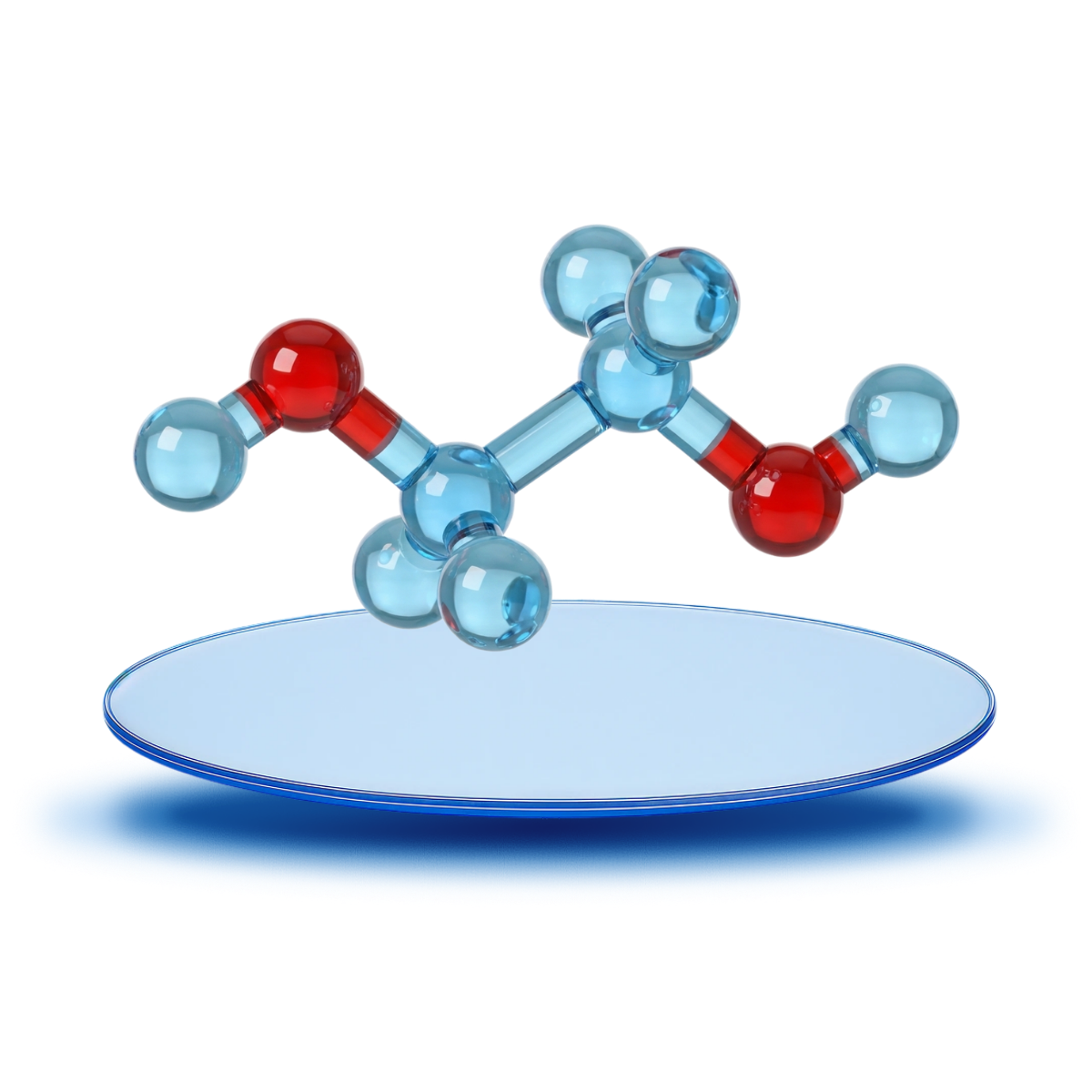
MRR is best suited for small, polar molecules.