Molecular Analysis Solutions Using Molecular Rotational Resonance (MRR) Spectroscopy
Advanced Molecular Analysis with MRR Spectroscopy
Modern molecular analysis requires more than simply detecting compounds. Scientists need reliable solutions for confident structure identification and quantitative analysis to make informed decisions across research, development, and quality workflows. BrightSpec's molecular rotational resonance (MRR) spectroscopy technology provides highly specific molecular fingerprints that help solve complex analytical challenges, including compound identification, impurity characterization, isomer differentiation, solvent detection, authenticity testing, and quantitative analysis with greater confidence and clarity.
New to MRR spectroscopy? Learn how molecular rotational resonance works and what makes it a powerful tool for molecular analysis.
BrightSpec's molecular rotational resonance solutions help organizations solve complex analytical challenges with certainty. By delivering highly specific molecular data, MRR provides orthogonal insights that complement, and in some applications replace, established techniques such as GC-MS and NMR, helping teams accelerate investigations, resolve ambiguity, and make informed decisions with confidence.
What You'll Gain
Definitive Molecular Characterization
Structure-specific molecular characterization and quantitation.
Greater Analytical Confidence
Unambiguous molecular insights that strengthen confidence in analytical results.
Reduced Uncertainty
Clear answers for complex samples and challenging analytical questions.
Complementary Data
Orthogonal insights that complement existing workflows such as GC-MS and NMR.
Streamlined Workflows
Reduce time spent resolving ambiguous results while supporting research, development, and quality initiatives.
Simplified Analysis
Reduce reliance on derivatization, chromatography, and extensive sample preparation.
Flexible Applications
Apply MRR solutions across analytical challenges, workflows, and industries.
MRR vs. Traditional Analytical Techniques
Molecular rotational resonance spectroscopy offers a distinct approach to molecular analysis and characterization. Explore how MRR compares with established techniques such as GC-MS and NMR for structure identification, characterization, and quantitation.
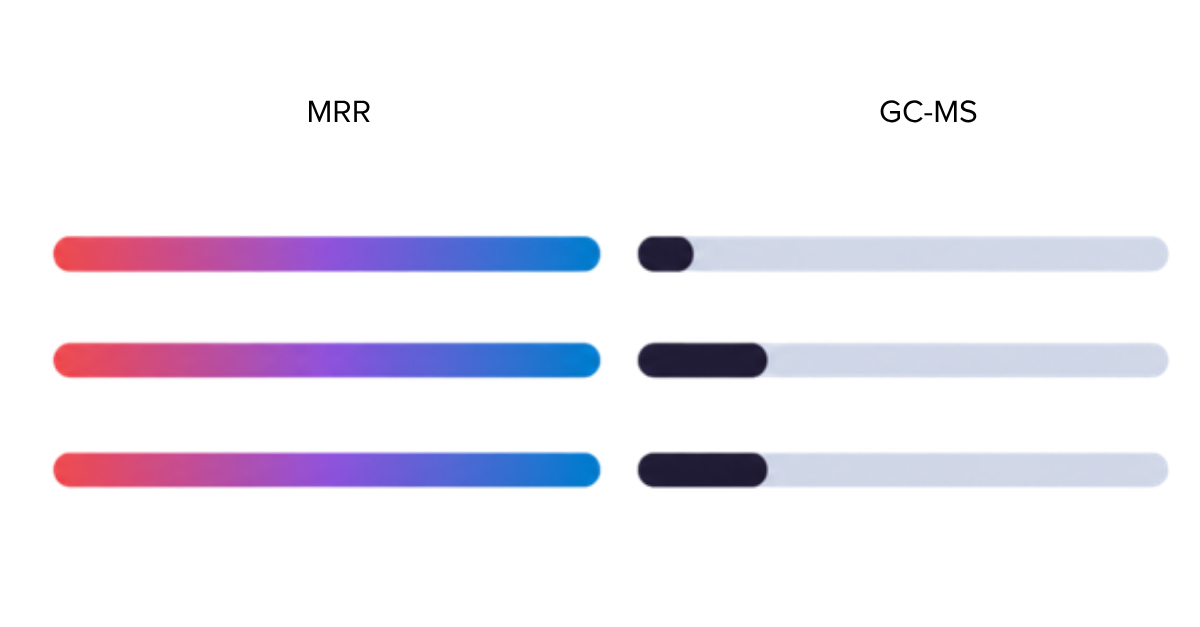
MRR vs. GC-MS
Understand the differences between molecular rotational resonance (MRR) spectroscopy and gas chromatography-mass spectrometry (GC-MS) for compound identification and analysis.
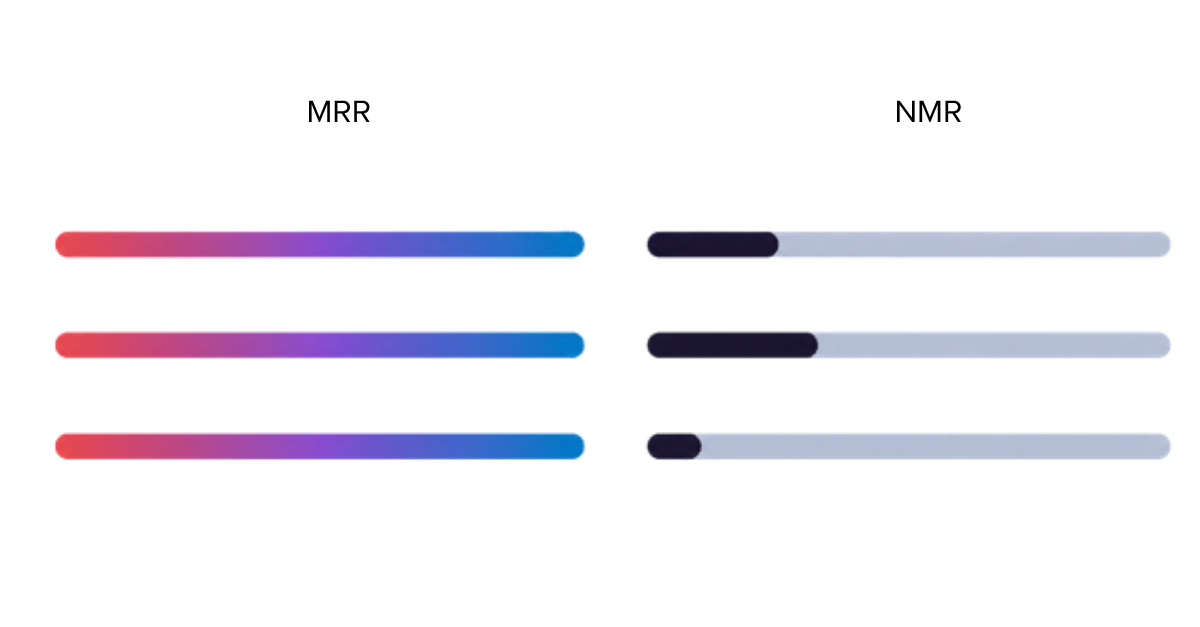
Compare Molecular Rotational Resonance (MRR) spectroscopy and Nuclear Magnetic Resonance (NMR) spectroscopy for molecular characterization and structural analysis.
Explore MRR solutions by analytical challenge and industry, from structure identification and impurity characterization to isomer differentiation and quantitative analysis.