Simplify Excipient Testing with Molecular Rotational Resonance (MRR) Spectroscopy

BOOK A DEMO

Streamline Excipient Testing with Molecular Rotational Resonance Spectroscopy

Excipient testing requires reliable identification and quantitation of trace impurities that can impact product safety, quality, and regulatory compliance. Common excipients such as PEGs often pose analytical challenges because of complex matrices, high viscosity, or demanding sample preparation.

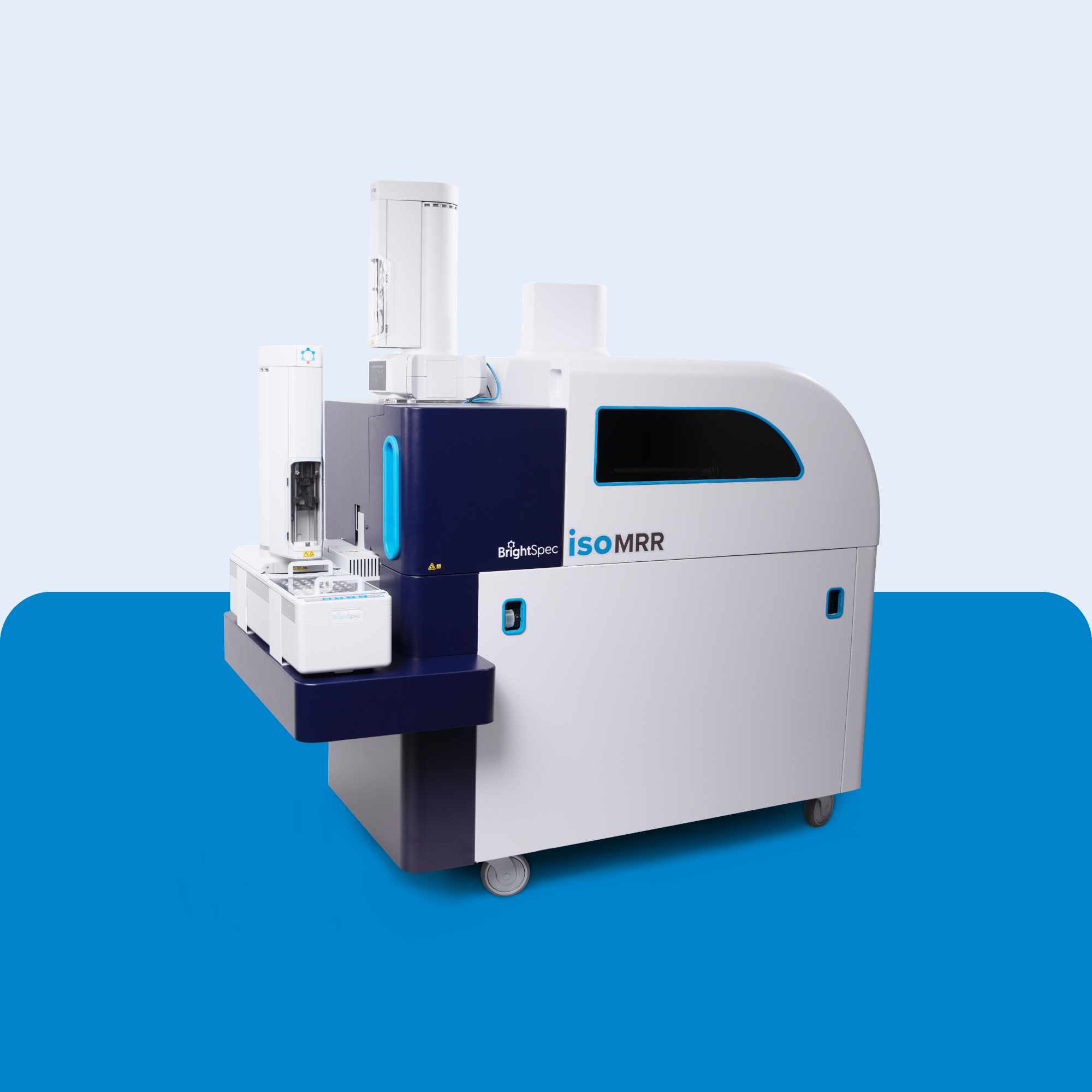
Molecular rotational resonance (MRR) spectroscopy enables structure-specific analysis of excipients and excipient-related impurities. By generating highly specific molecular fingerprints, MRR helps scientists identify and quantify target analytes with minimal sample preparation, reducing analytical complexity while delivering confident results for pharmaceutical development and quality control applications.


Solve Excipient Testing Challenges with MRR

Challenge

Analytical scientists must accurately identify and quantify trace impurities in excipients while meeting regulatory expectations. Traditional methods often require extensive sample preparation, chromatographic separations, and time-consuming method development that can slow analytical workflows.

Solution

MRR enables direct, structure-specific analysis of excipients and impurities with minimal sample preparation. Scientists can identify and quantify target compounds faster, reducing method development and analytical complexity while maintaining confidence in their results.

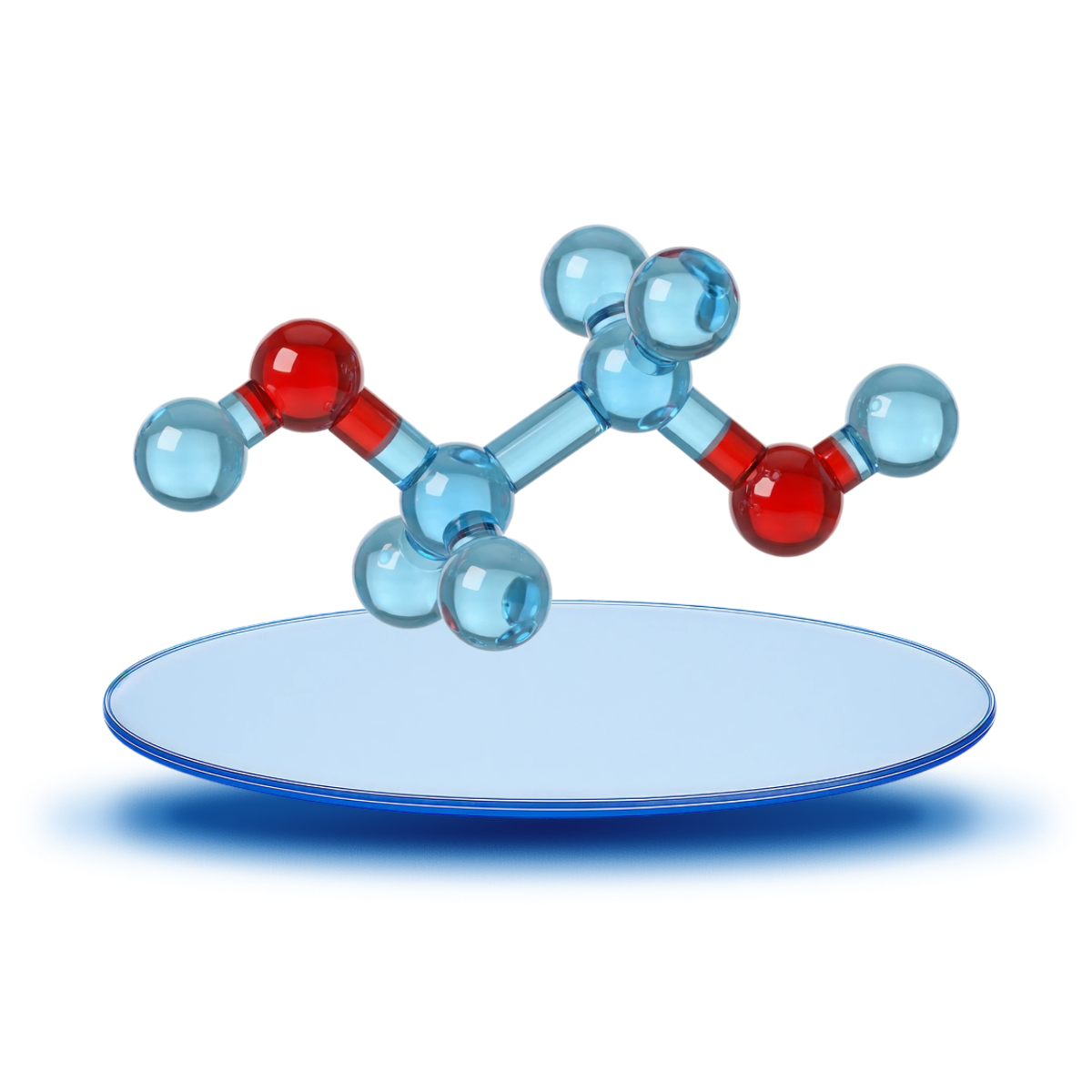
blue compound floating plate why use mrr

Why Use MRR for Excipient Testing?

  • Direct Analysis

    Analyze target compounds with minimal sample preparation and reduced workflow complexity.

  • Structure-Specific Identification

    Differentiate compounds based on unique molecular fingerprints for greater analytical confidence.

  • Fast Results

    Generate actionable data in minutes rather than relying on lengthy chromatographic separations.

  • One Platform, Multiple Applications

    Support impurity identification, quantitation, residual solvent analysis, and other pharmaceutical workflows on the same instrument platform.

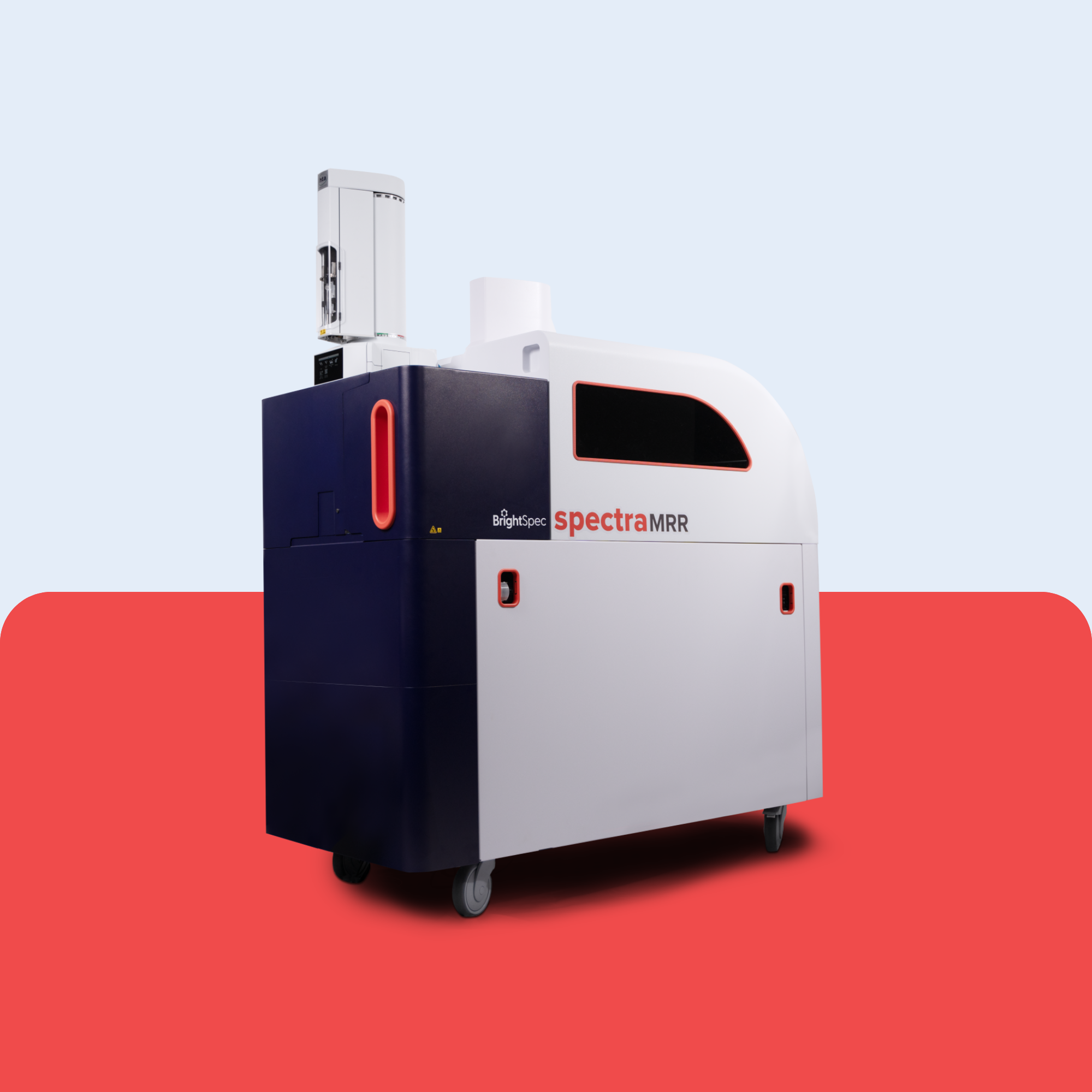
Recommended Products
ethylene glycol structure

Frequently Asked Questions

  • How does MRR improve excipient testing?

    MRR provides direct molecular identification and quantitation without relying solely on chromatographic separation, simplifying analysis while improving confidence in compound identification.

  • What excipients can be analyzed with MRR?

    MRR is particularly effective for applications involving volatile and semi-volatile small molecules present in excipients and pharmaceutical formulations.

  • Can MRR quantify regulated impurities?

    Yes. MRR can support quantitation workflows for trace impurities while providing structure-specific confirmation of the analyte being measured.

  • How does MRR compare with traditional GC-MS methods?

    MRR can reduce sample preparation and method development requirements while providing direct molecular identification and quantitation from a single measurement.


Application Notes MRR Spectrsopcy Excipient Testing

Direct Quantitation of Ethylene Glycol in a mAb Formulation Matrix by MRR


Discover direct ethylene glycol quantitation in a complex biologic formulation matrix.

Application Notes

Where Precision Meets Throughput: MRR for Ethylene Glycol & Diethylene Glycol Excipient Safety Testing


Learn how trace glycol contaminants can be identified and quantified with confidence.

Application Notes

Tracking Ethylene Oxide and Acetaldehyde in PEG-3350: How MRR Spectroscopy Outpaces Gas Chromatography

Explore how ethylene oxide and acetaldehyde can be analyzed directly in PEG-3350 excipients.

2-Apr-15-2025-04-08-47-2383-PM-w600

Subscribe to Our Newsletter