Recommended Products
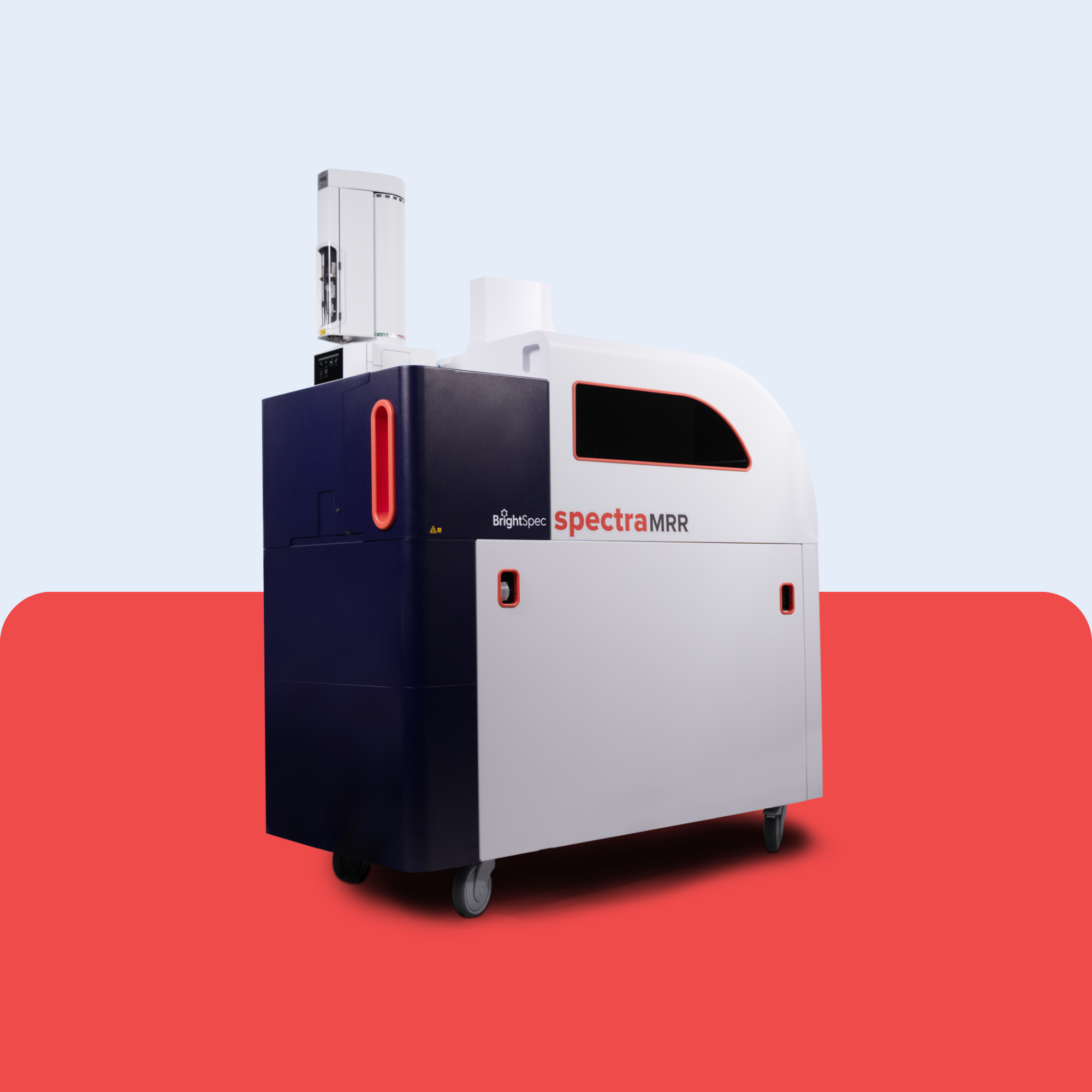
Meet the 
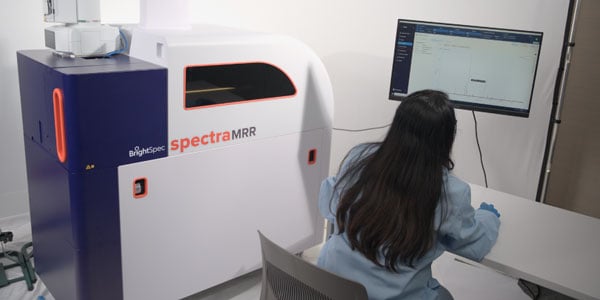
The spectraMRR™ is BrightSpec's most powerful instrument, designed to streamline complex analytical workflows for pharmaceutical chemists.
 Structure Identification Structure Identification |
|
Quantitation |
|
Library Building |
|
Chiral Analysis |

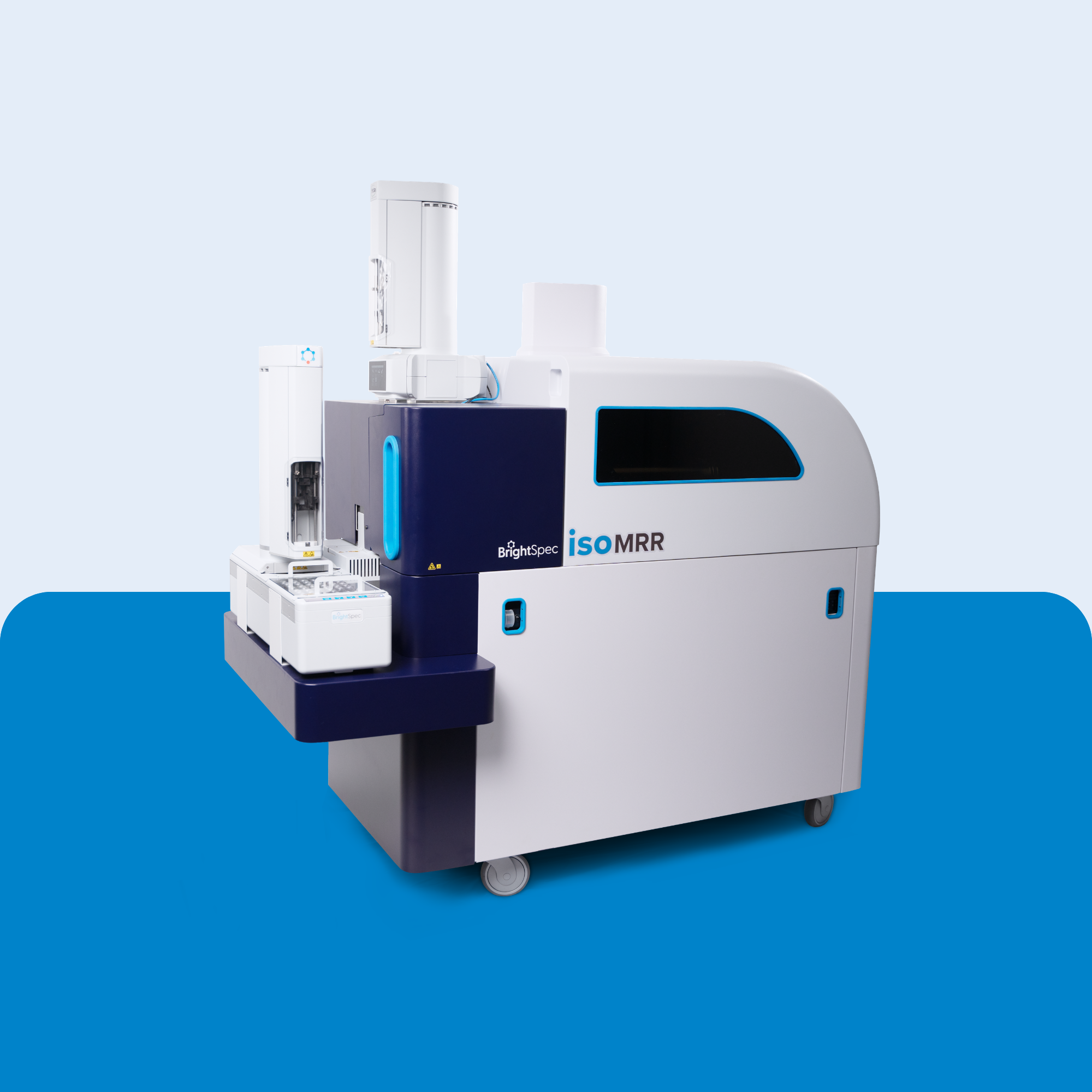
Meet the 
The isoMRR™ is ideal for analytical chemists running routine analysis of challenging analytes in complex mixtures.
|
Quantitation |
|
Access to Pre-Built Reference Library |
|
Chiral Analysis |

Frequently Asked Questions
-
How does MRR simplify residual solvent analysis?
MRR simplifies residual solvent analysis by removing the need for chromatographic separation and replacing it with direct, fingerprint-based molecular detection and quantitation.
-
What are the advantages of MRR compared to traditional techniques like GC-MS and NMR?
A single MRR measurement can provide solvent identification and quantitation while reducing method development and chromatographic complexity.
-
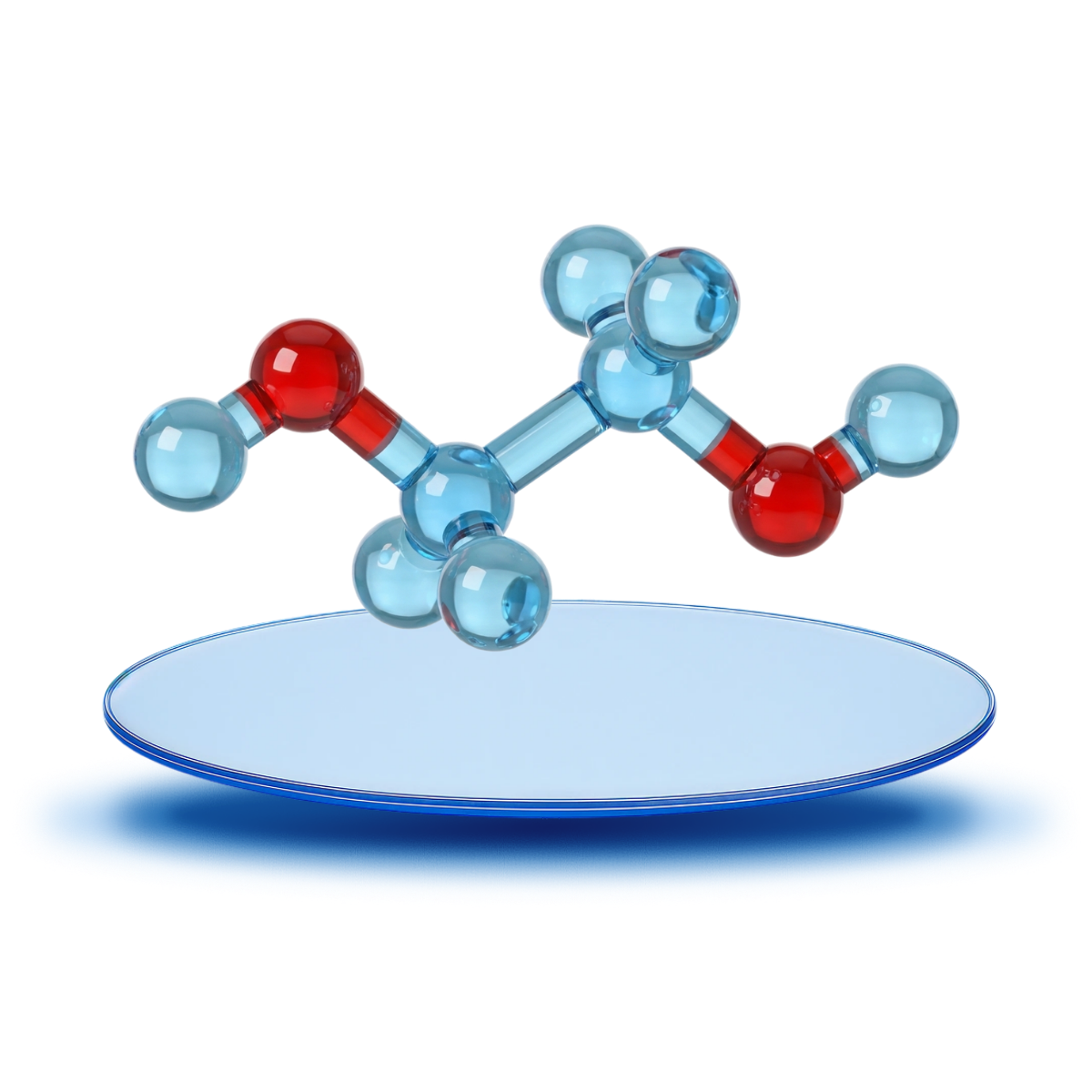
What types of molecules are suitable for MRR analysis?
MRR works best with small molecules. To read a molecule's molecular "fingerprint", MRR requires molecules to have a dipole moment and to have polarity.