Frequently Asked Questions
-
What is the difference between GC-MS and MRR?
GC-MS separates compounds chromatographically before mass analysis, while MRR identifies target molecules by their unique rotational spectra. For targeted analyses, MRR can reduce chromatography-dependent method development while improving specificity for structurally similar compounds.
-
What types of molecules are suitable for MRR analysis?
MRR works best with small molecules. To read a molecule's molecular "fingerprint", MRR requires molecules to have a dipole moment and to have polarity.
-
When is MRR a better choice than GC-MS?
MRR is often a better fit when analyzing known target compounds, especially in workflows that involve difficult matrices, closely related analytes, or time-intensive chromatography method development.
-
Do I still need GC-MS if I use MRR?
In many labs, GC-MS remains valuable for broad, untargeted screening. MRR is best used for targeted analyses where specificity, speed, and simplified workflows are priorities.
Recommended Products
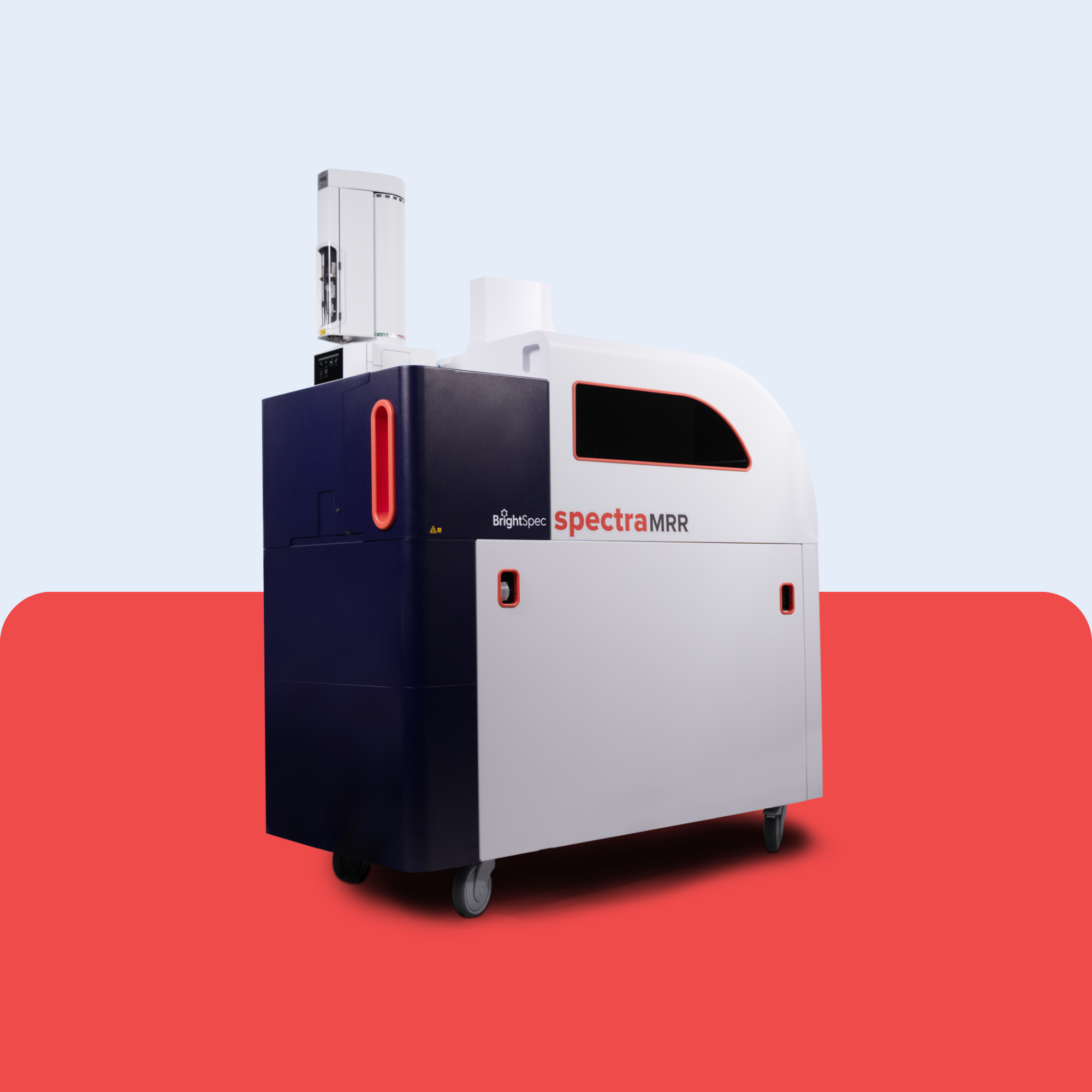
Meet the 
The spectraMRR™ is BrightSpec's most powerful instrument, designed to streamline complex analytical workflows for pharmaceutical chemists.
 Structure Identification Structure Identification |
|
Quantitation |
|
Library Building |
|
Chiral Analysis |

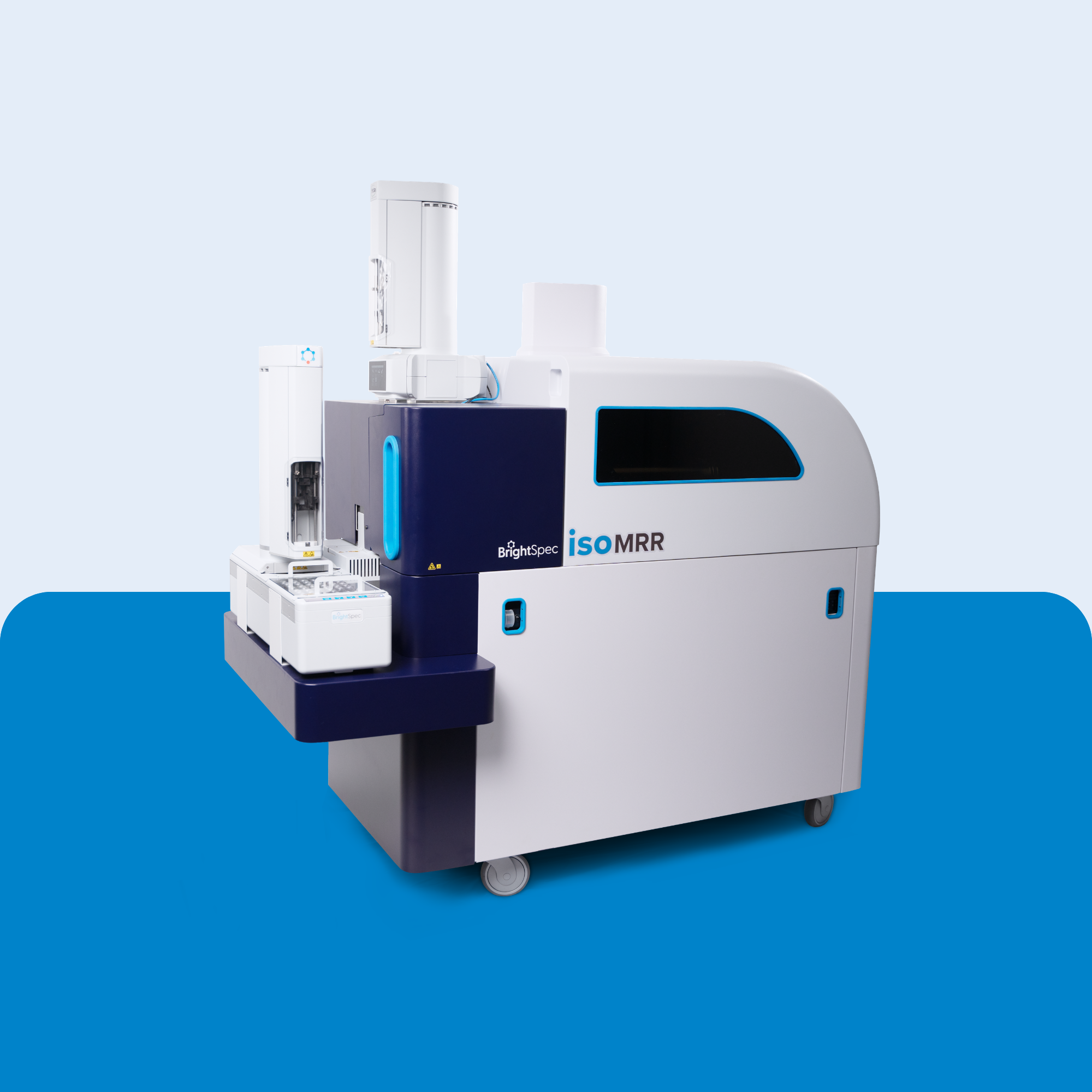
Meet the 
The isoMRR™ is ideal for analytical chemists running routine analysis of challenging analytes in complex mixtures.
|
Quantitation |
|
Access to Pre-Built Reference Library |
|
Chiral Analysis |