%20(2).png)
Why Use MRR for Consumer Goods Testing?
-
Verify Ingredient Authenticity
Confirm the composition and quantity of critical ingredients through highly specific molecular information.
-
Protect Product Integrity
Detect impurities, substitutions, and unexpected components before they impact product quality and consistency.
-
Simplify Product Testing
Reduce analytical complexity while accelerating workflows across formulations, raw materials, and finished products.
Recommended Products
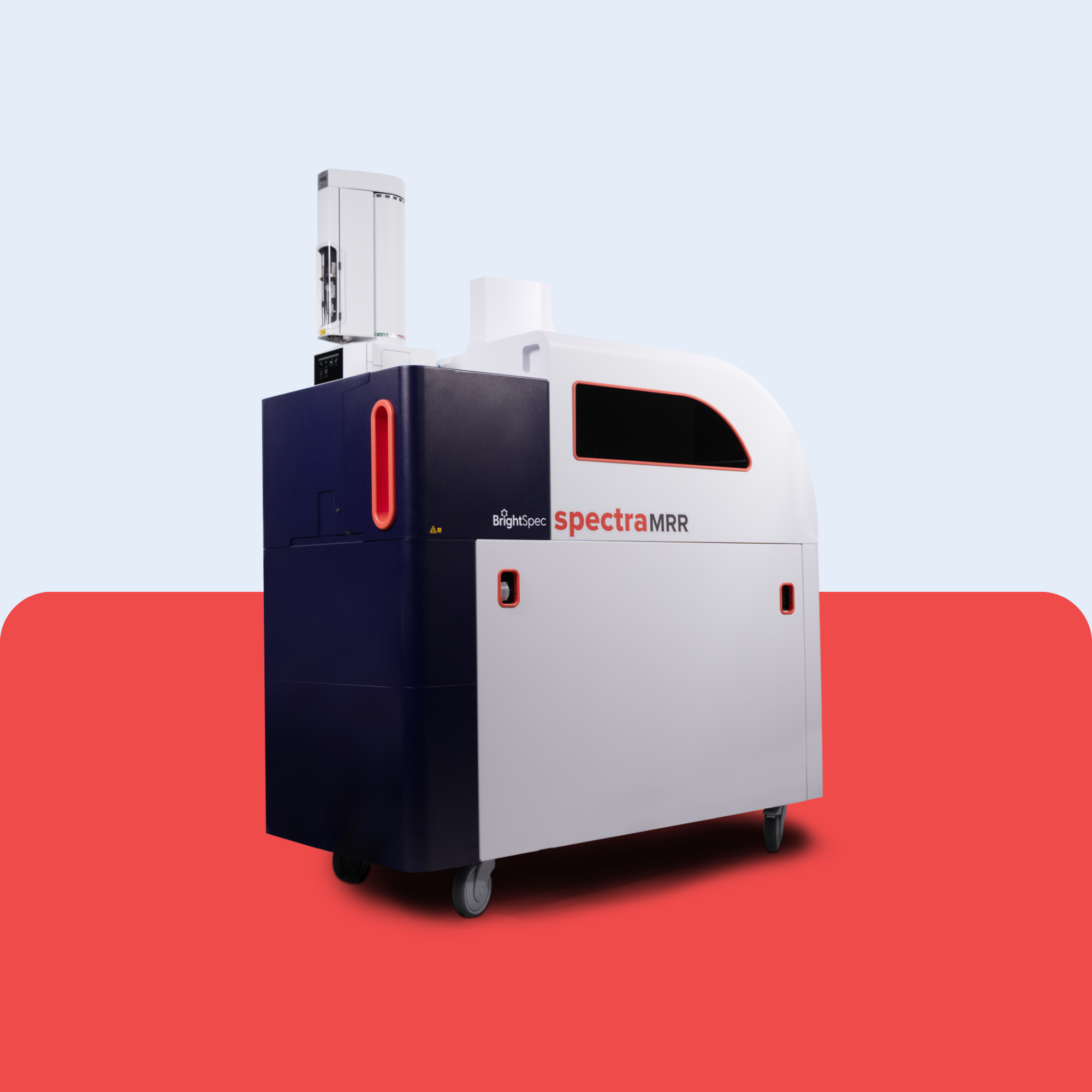
Meet the 
The spectraMRR™ is BrightSpec's most powerful instrument, designed to streamline complex analytical workflows for pharmaceutical chemists.
 Structure Identification Structure Identification |
|
Quantitation |
|
Library Building |
|
Chiral Analysis |

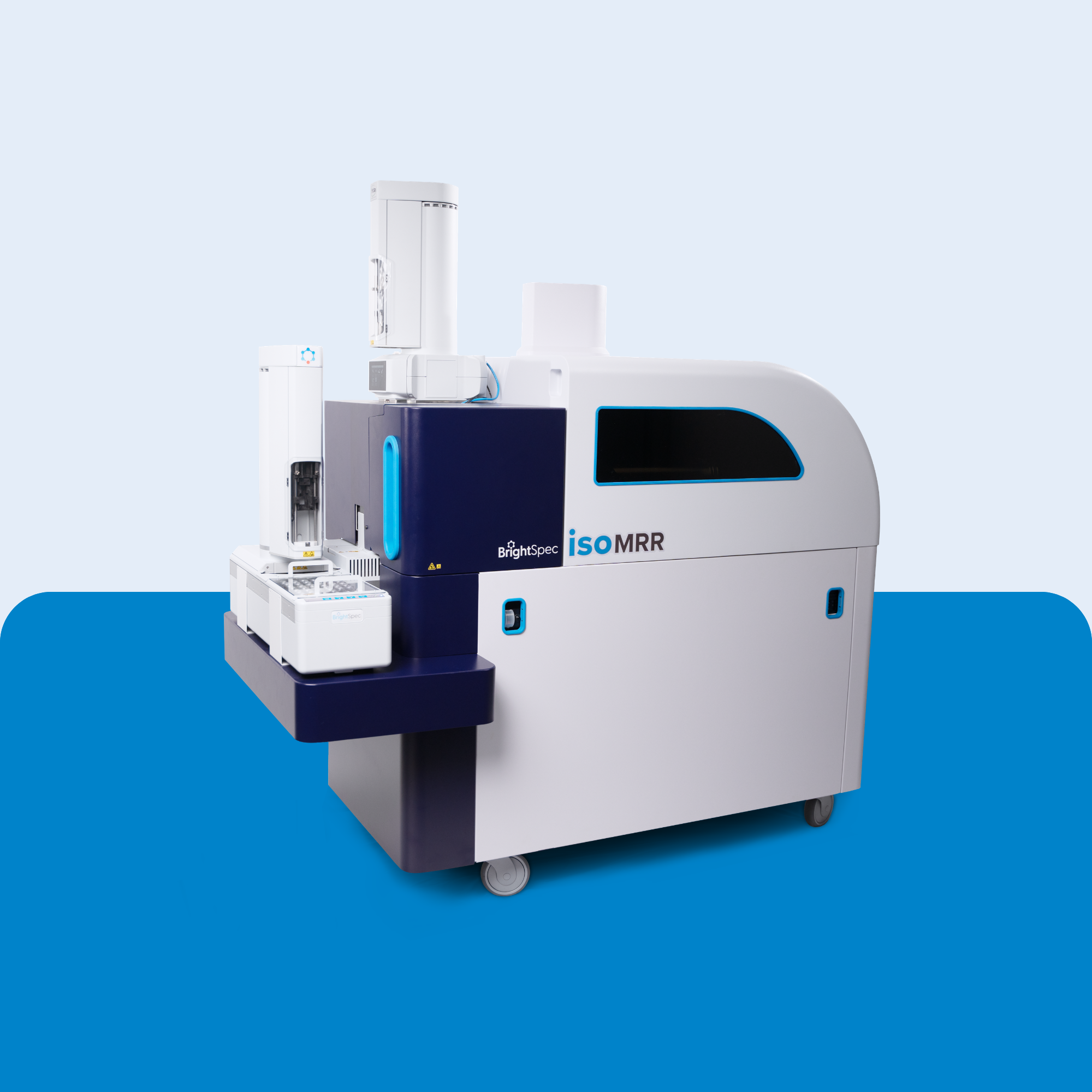
Meet the 
The isoMRR™ is ideal for analytical chemists running routine analysis of challenging analytes in complex mixtures.
|
Quantitation |
|
Access to Pre-Built Reference Library |
|
Chiral Analysis |

Frequently Asked Questions
-
How do chemists use MRR in consumer goods?
MRR is used to verify ingredient authenticity, detect impurities, and ensure product consistency across formulations.
-
What are the advantages of MRR compared to traditional techniques?
MRR reduces reliance on chromatography and simplifies workflows into a single measurement with high specificity.
-
What types of molecules are suitable for MRR analysis?
MRR works best with small, polar molecules that have a measurable dipole moment.