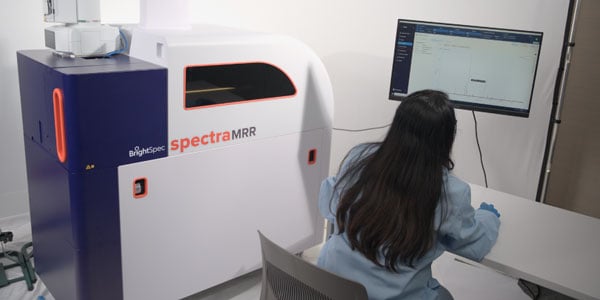
%20(2).png)
Why MRR Spectroscopy Excels at Isomer Analysis
-
Different Isomers, Same Formula
Differentiate compounds with identical molecular formulas but different structural arrangements.
-
Resolve Structural Ambiguity
Distinguish regioisomers, stereoisomers, and conformers with high molecular specificity.
-
Simplified Analytical Workflows
Reduce reliance on multiple analytical techniques and complex interpretation.
Recommended Products
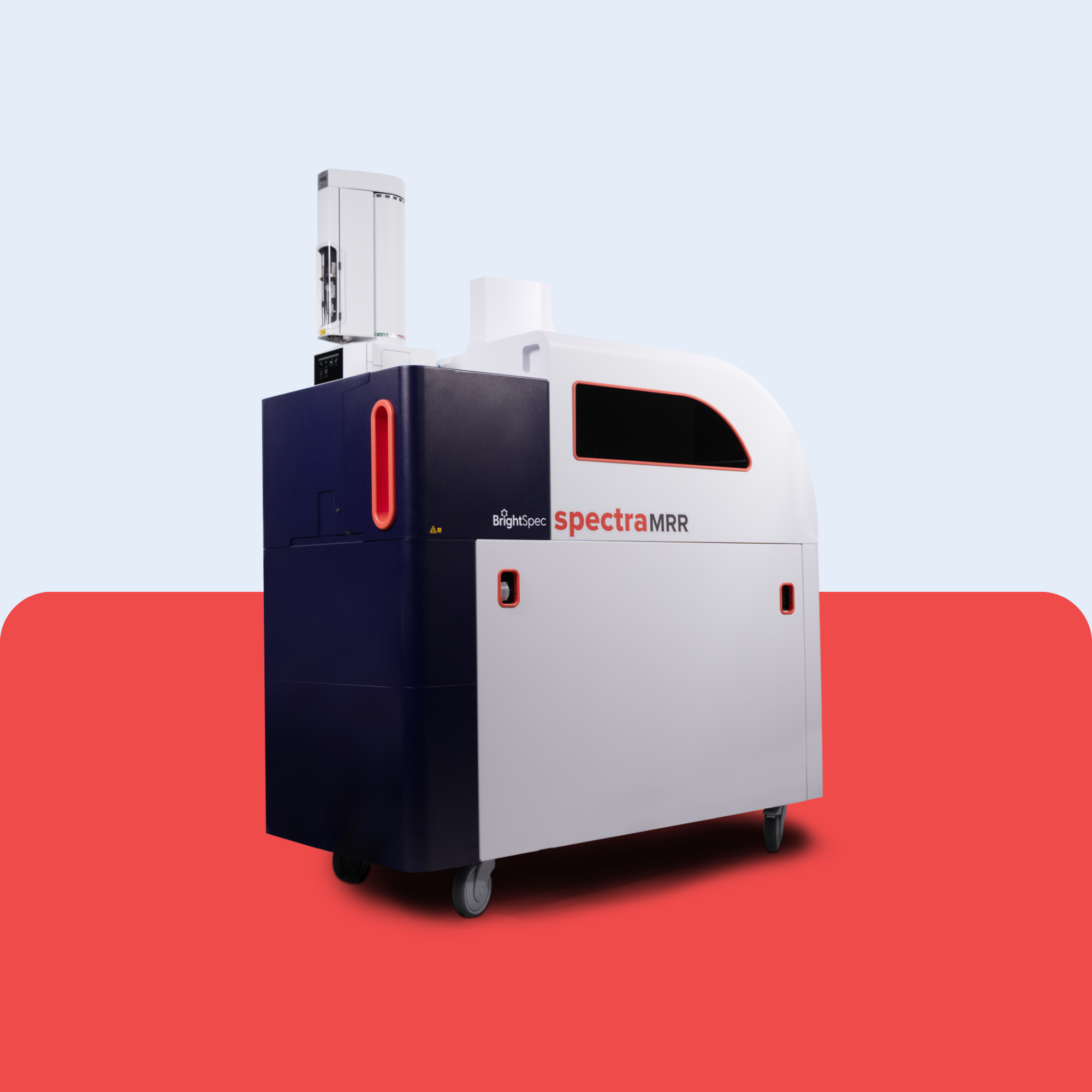
Meet the 
The spectraMRR™ is BrightSpec's most powerful instrument, designed to streamline complex analytical workflows for pharmaceutical chemists.
 Structure Identification Structure Identification |
|
Quantitation |
|
Library Building |
|
Chiral Analysis |

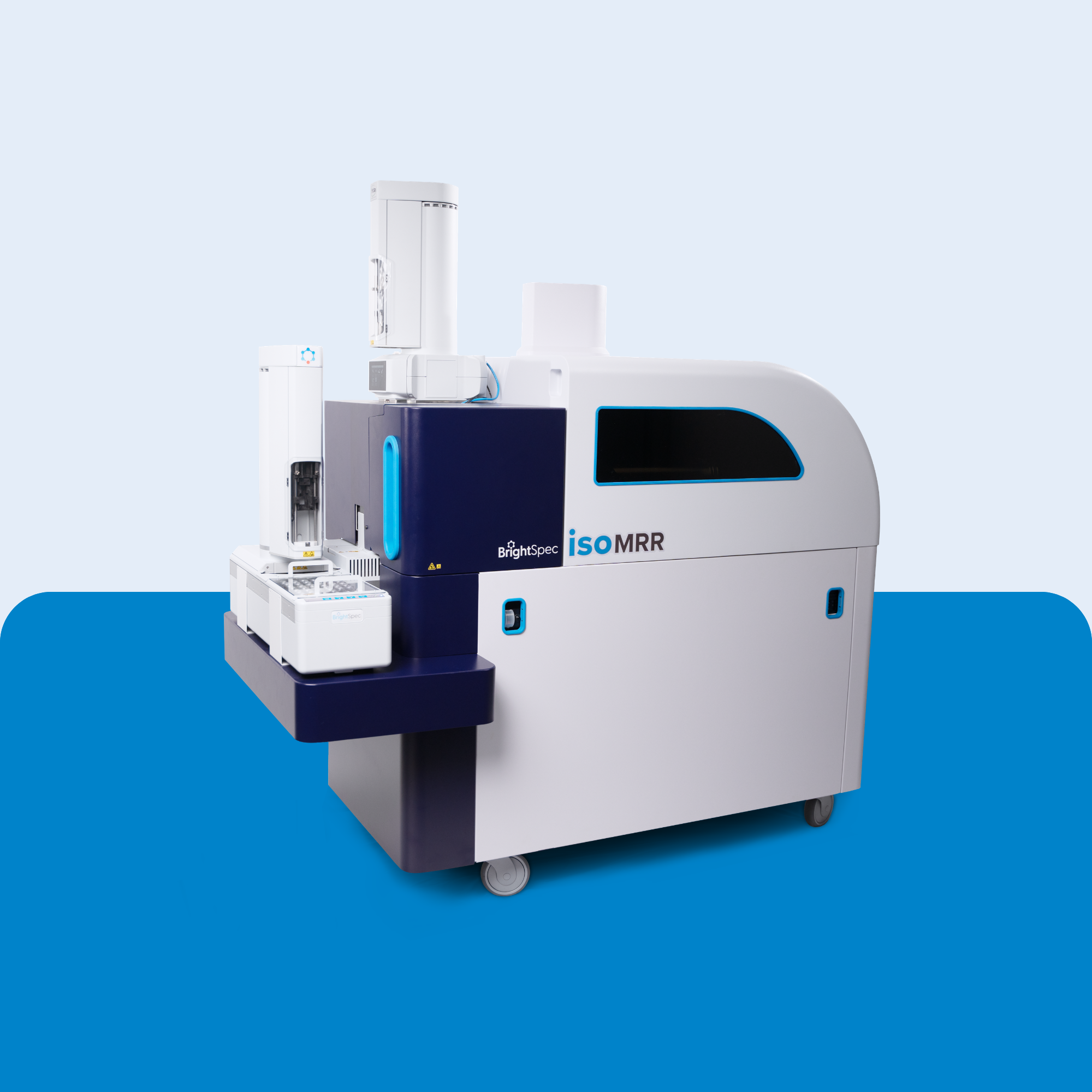
Meet the 
The isoMRR™ is ideal for analytical chemists running routine analysis of challenging analytes in complex mixtures.
|
Quantitation |
|
Access to Pre-Built Reference Library |
|
Chiral Analysis |

Frequently Asked Questions
-
How does MRR simplify isomer differentiation?
MRR differentiates isomers based on their unique rotational spectra, providing unambiguous identification.
-
Can MRR distinguish regioisomers and stereoisomers?
Yes, MRR can differentiate multiple types of isomers in a single measurement.
-
Why is MRR effective for isomer analysis?
Each isomer has a distinct rotational fingerprint, allowing for precise identification without separation.