Simplify Volatile Compound Detection with Molecular Rotational Resonance (MRR) Spectroscopy

BOOK A DEMO

Direct Detection of Volatile Compounds

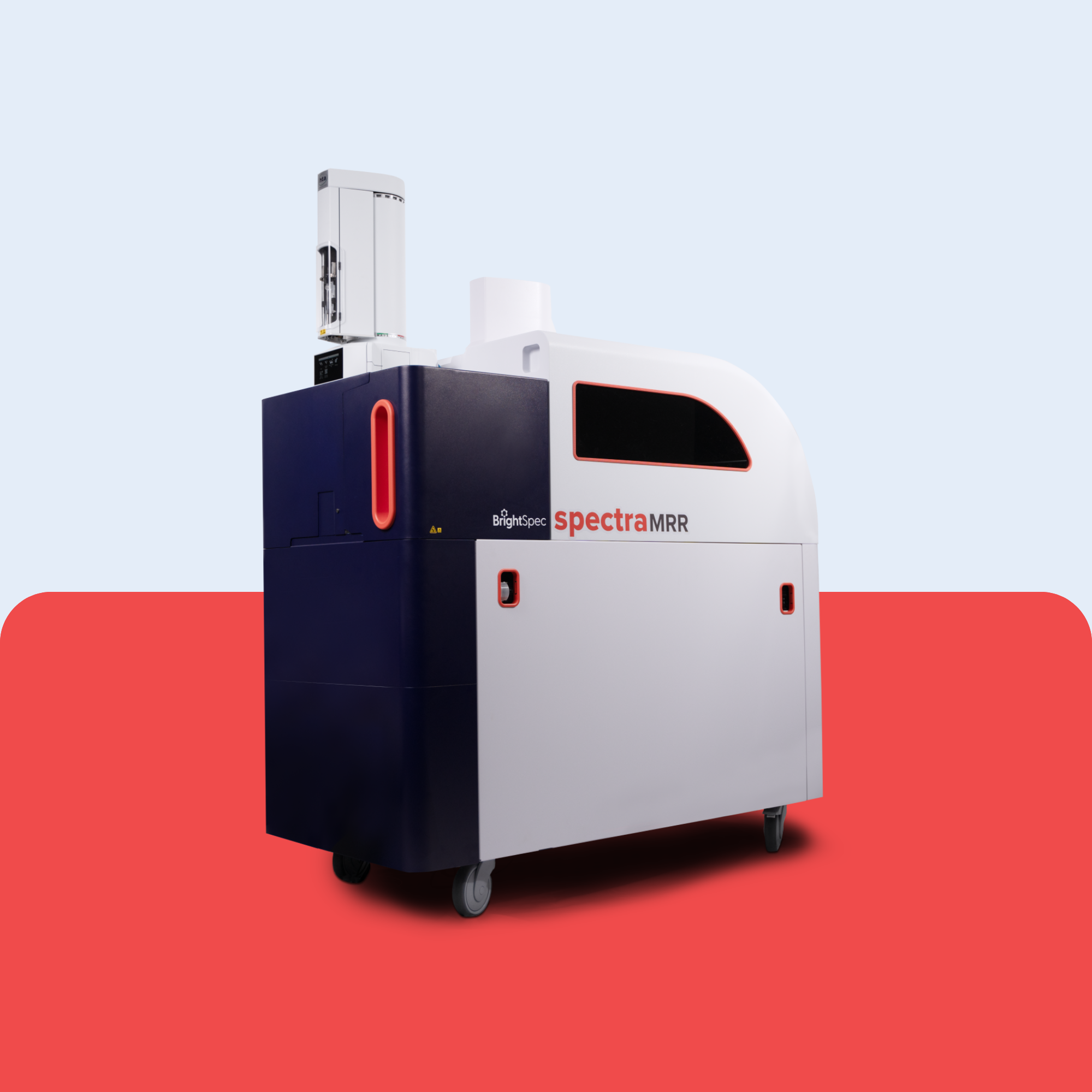
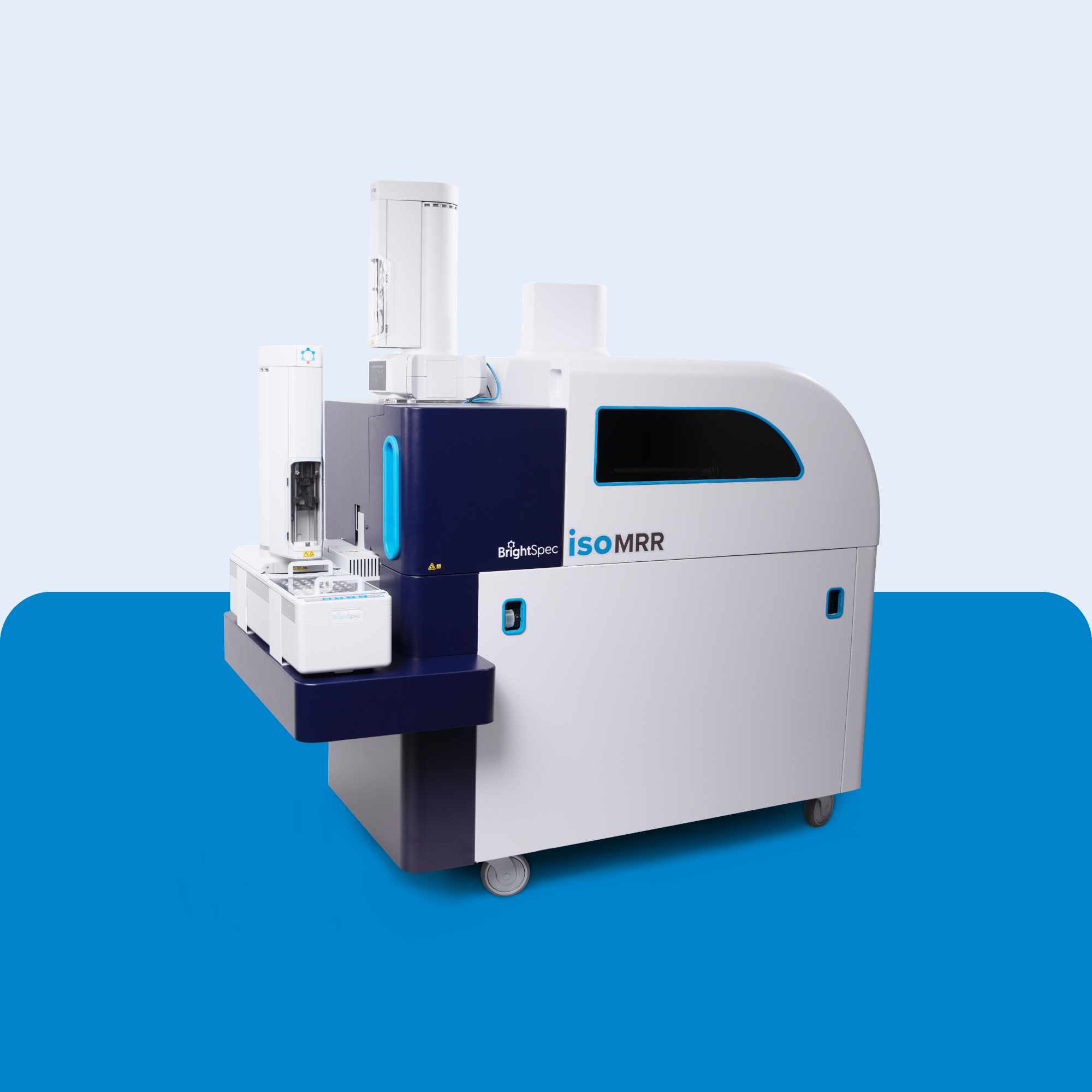
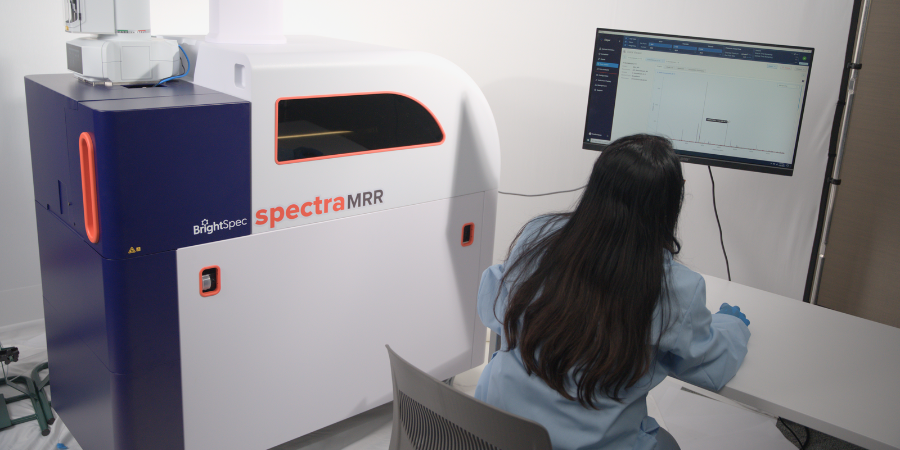
Molecular rotational resonance (MRR) spectroscopy offers direct detection and characterization of volatile compounds through highly specific molecular fingerprints. From residual volatiles and headspace analysis to unexpected contaminants and trace-level compounds, BrightSpec's MRR instruments help scientists rapidly identify volatile species with exceptional molecular specificity.

Instead of relying on chromatographic separation, MRR measures molecule-specific rotational fingerprints to simplify volatile analysis while maintaining analytical confidence.


Solving Common Volatile Detection Challenges With MRR Spectroscopy

Your Challenges

Analytical chemists detecting volatile compounds must identify, analyze, and quantify trace-level species, manage sample preparation challenges, and rely on chromatography-based workflows that can be time-consuming and complex.

Our Solution

MRR enables direct analysis of volatile compounds through their molecular fingerprints, eliminating the need for separation and reducing sample preparation requirements while maintaining high specificity.

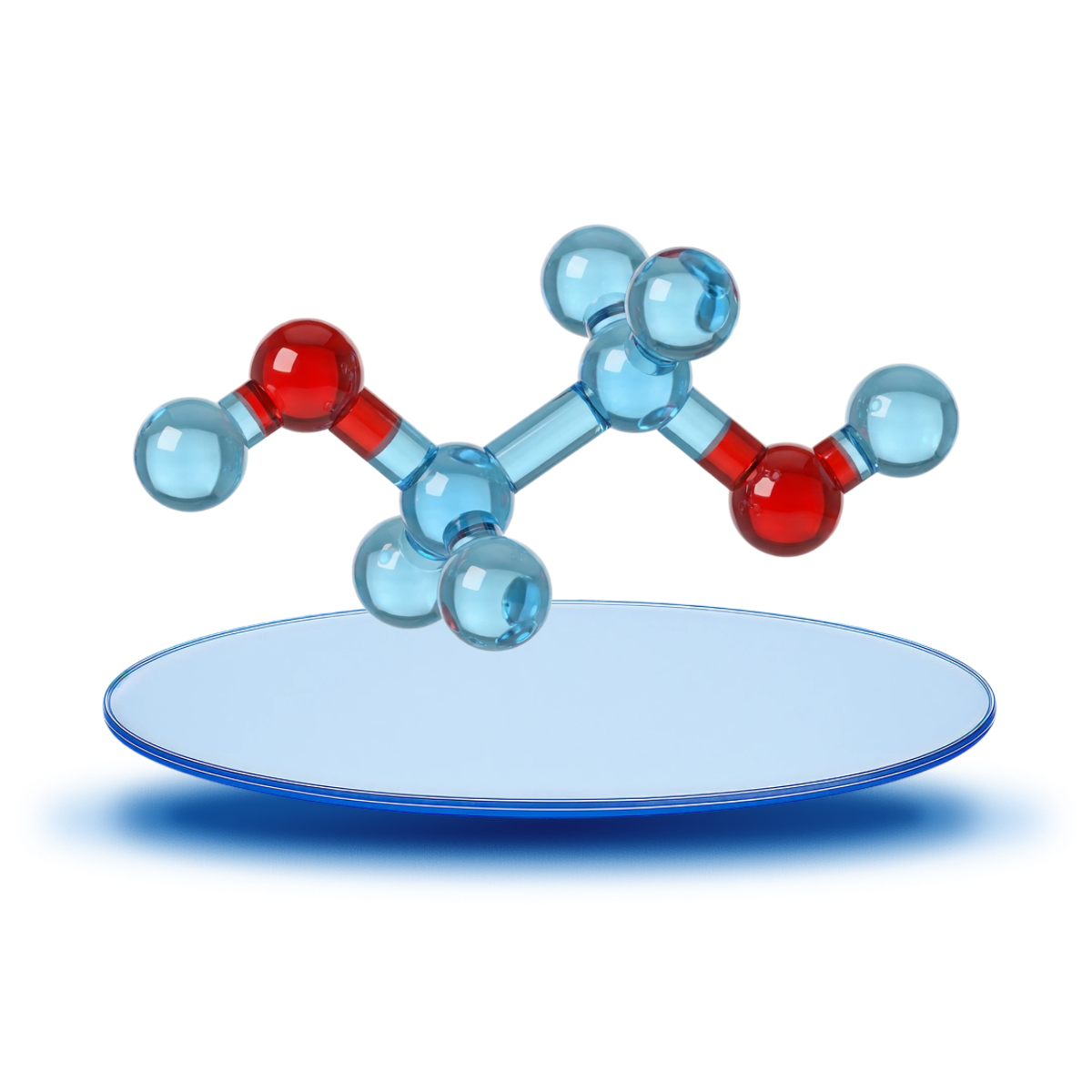
blue compound hovering over a plate

Why Use MRR for Volatile Detection?

  • Direct Volatile Analysis

    Identify volatile compounds through highly specific molecular fingerprints rather than indirect analytical measurements.

  • No Chromatographic Separation

    Reduce analytical complexity by eliminating extensive chromatographic method development.

  • Rapid Investigation of Unknowns

    Quickly characterize unexpected volatile compounds and contaminants with high molecular specificity.

Key Applications

MRR supports volatile compound detection, identification, and characterization across a wide range of analytical applications.

Detecting Trace Volatile Compounds
Monitoring Residual Volatiles in Materials
Analyzing Headspace Components
Investigating Unexpected Volatile Contamination
Characterizing Unknown Volatile Species

Recommended Products

ethylene glycol structure

Frequently Asked Questions

  • How does MRR simplify volatile detection?

    MRR detects volatile molecules directly without requiring chromatographic separation.

  • Does MRR require headspace sampling?

    MRR can analyze volatile compounds directly, often reducing the need for complex sampling techniques.

  • What types of volatile compounds are suitable for MRR?

    Small, polar volatile molecules with a dipole moment are ideal for MRR analysis.

Resources

Explore real-world examples of volatile compound detection and analysis using MRR spectroscopy.
Webinars Molecule MRR spectroscopy volatile compound detection

Fast & Reliable Quantitation of Challenging Residual Solvents in Dietary Supplements Using MRR

Learn how direct molecular analysis simplifies testing in complex dietary supplements.

Webinars Molecule MRR spectroscopy volatile compound detection

Faster, Simpler Detection of Volatile Food Contaminants in Complex Matrices Using MRR


See how MRR delivers confident contaminant identification in complex food samples.

2-Apr-15-2025-04-08-47-2383-PM

Subscribe to Our Newsletter