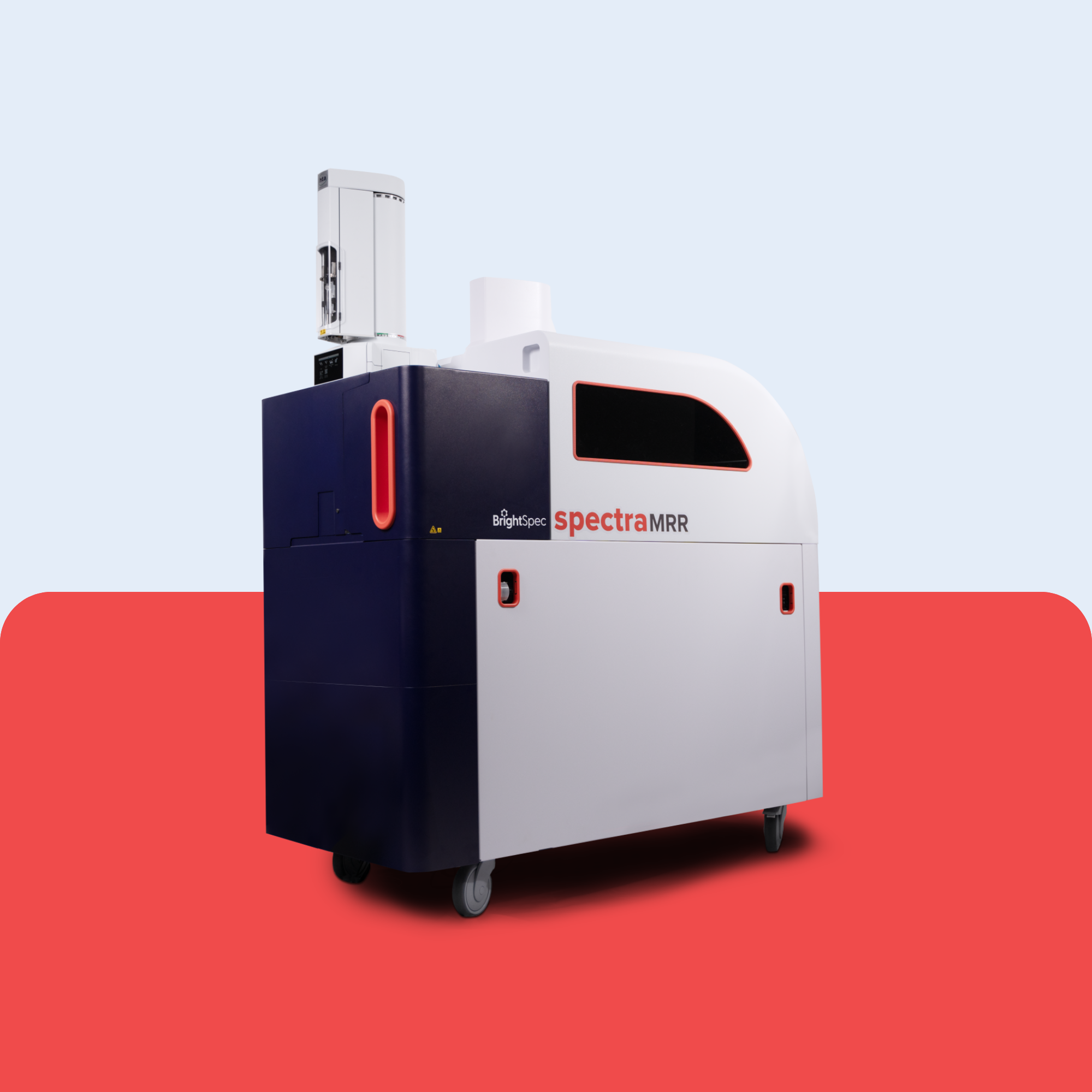
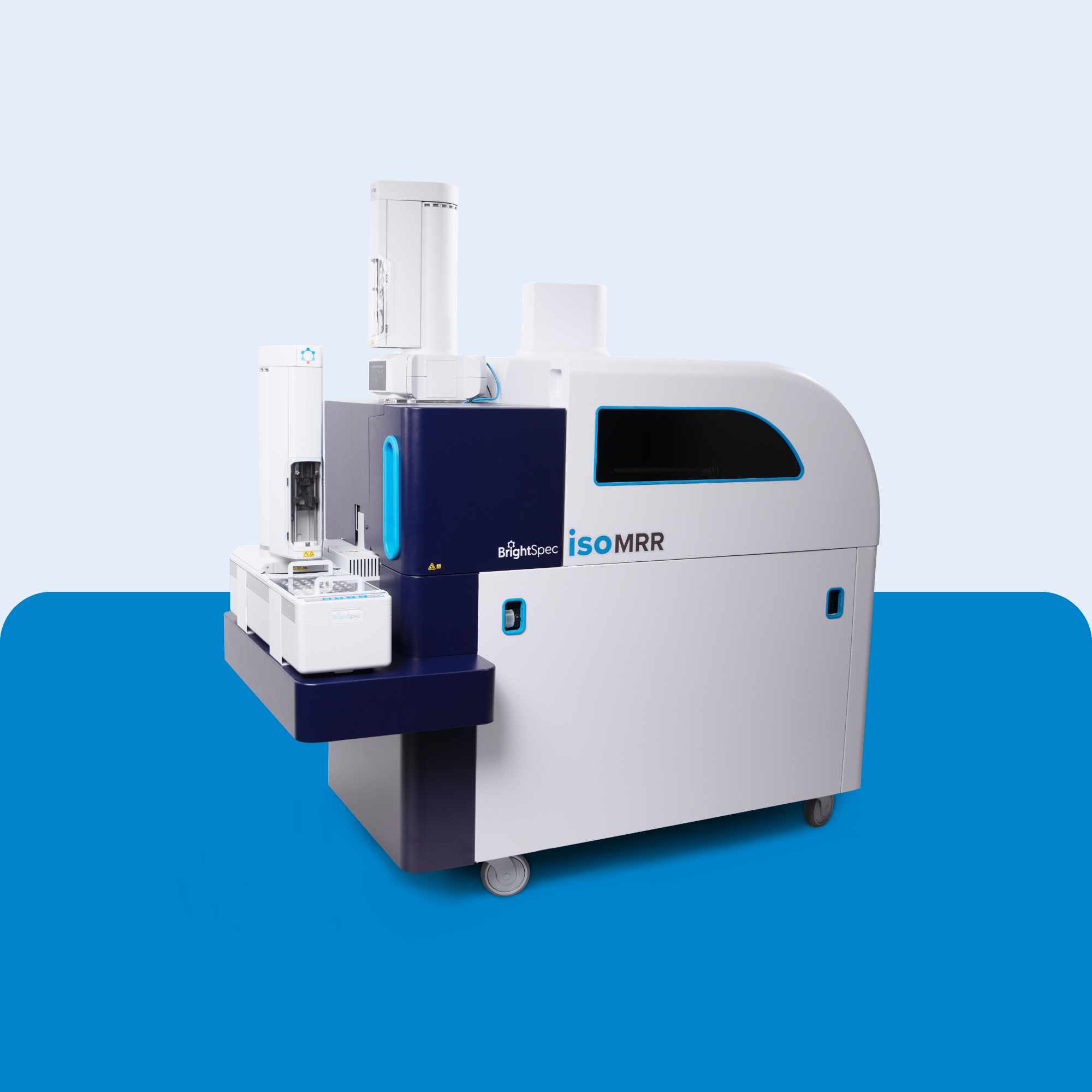
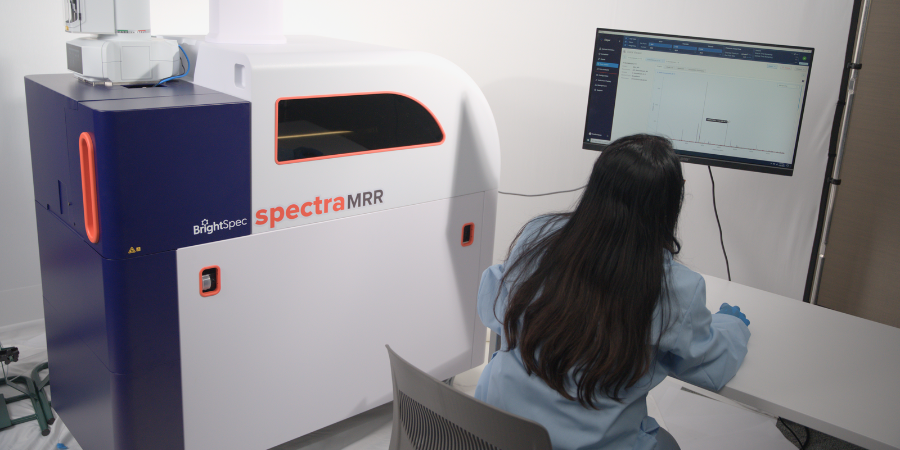
Simplify Chiral Analysis with Molecular Rotational Resonance (MRR) Spectroscopy

BOOK A DEMO

Differentiate Enantiomers Without Chromatography

Molecular rotational resonance (MRR) spectroscopy enables direct chiral analysis through highly specific molecular rotational fingerprints. From enantiomeric purity assessment to stereochemical confirmation, BrightSpec's MRR instruments help scientists differentiate closely related stereoisomers with exceptional confidence.

By providing direct molecular information, MRR reduces analytical complexity and supports chiral analysis without chromatography, derivatization, or extensive method development.

Solving Common Chiral Analysis Challenges With MRR Spectroscopy

Your Challenges

 Analytical chemists performing chiral analysis must distinguish enantiomers with high confidence, rely on specialized techniques like chiral chromatography or derivatization, and manage complex workflows that increase time, cost, and method variability. 

Our Solution

MRR enables direct chiral analysis without chromatography or derivatization. By measuring molecule-specific rotational fingerprints, chemists can identify and differentiate enantiomers with high confidence in a single measurement, while simplifying workflows and reducing analysis time.

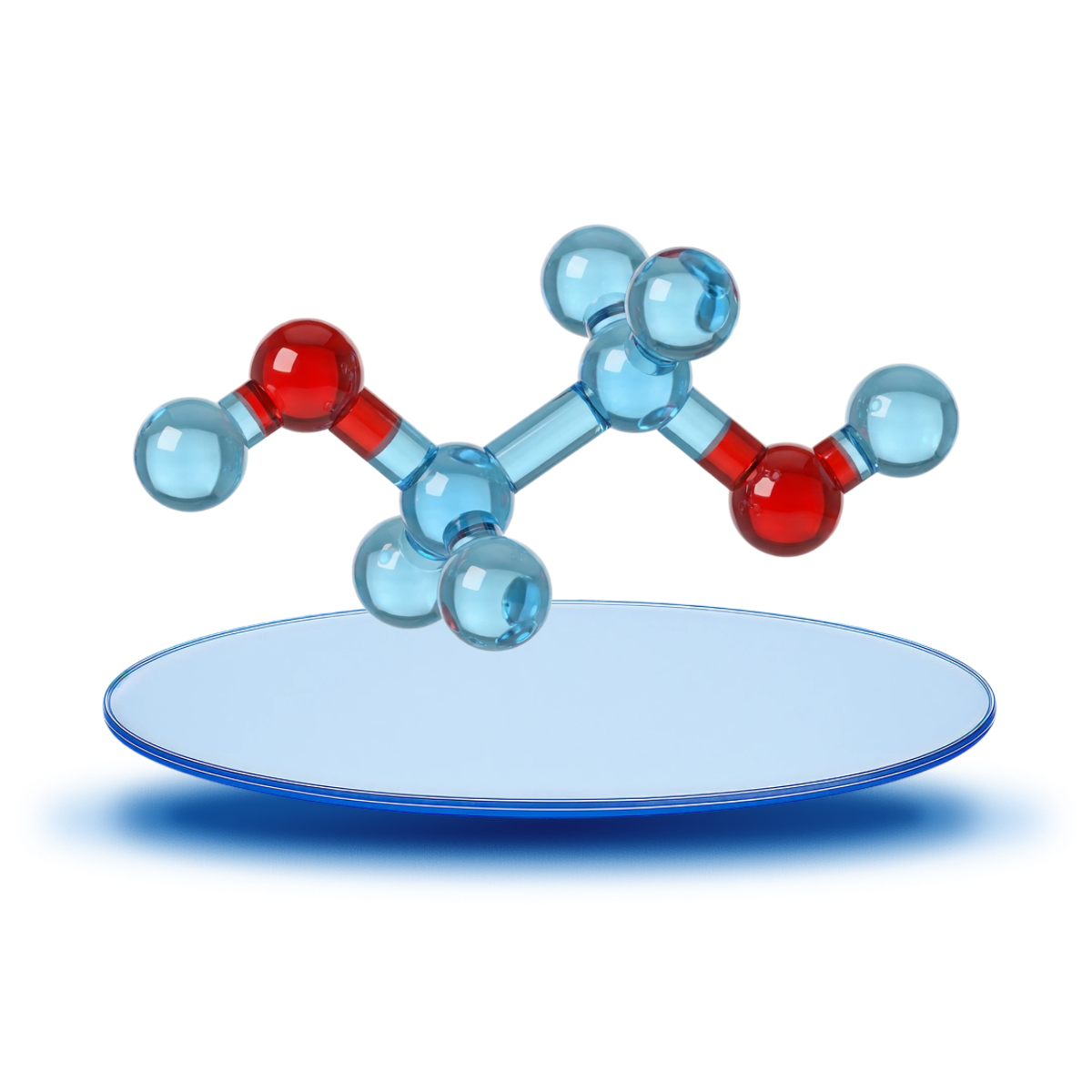
molecules hovering over a plate chiral analysis

Why Use MRR for Chiral Analysis?

  • Direct Enantiomer Differentiation

    Differentiate closely related stereoisomers through highly specific molecular rotational fingerprints.

  • No Chromatography or Derivatization

    Perform chiral analysis without specialized chiral separations or derivatization workflows.

  • Simplified Analytical Workflows

    Reduce analytical complexity while accelerating chiral investigations and method development.

Key Applications

MRR supports a wide range of chiral analysis and enantiomer characterization applications.

Confirming Enantiomeric Identity Without Chromatography
Measuring Enantiomeric Purity in Drug Substances
Differentiating Chiral Impurities in Complex Mixtures
Supporting Chiral Method Development and Validation
Investigating Unexpected Chiral Contamination

Recommended Products

ethylene glycol structure hovering over a plate chiral analysis

Frequently Asked Questions

  • How does MRR simplify Chiral Analysis?

    MRR simplifies chiral analysis by enabling direct differentiation of enantiomers without requiring chiral separation or derivatization.

  • What are the advantages of MRR compared to traditional techniques like chiral GC or LC?

    MRR eliminates method development and separation steps, allowing for faster, more direct identification of chiral molecules.

  • What types of chiral molecules are suitable for MRR?

    MRR works best for small, polar molecules with a dipole moment, where enantiomers can be differentiated through their rotational spectra.


Resources

Explore real-world examples of MRR-enabled chiral analysis and stereoisomer differentiation.

Application Notes Molecules Chiral Analysis MRR spectroscopy

Breaking the Standard: Alaninol Chirality Confirmed Without Chromatography

Discover an alternative to traditional chiral analysis that eliminates the need for chromatography while maintaining analytical confidence.

Posters Molecule MRR spectroscopy chiral analysis

Routine Characterization of Enantiomerically Selective Reactions by Molecular Rotational Resonance Spectroscopy


Learn how MRR spectroscopy characterizes enantiomerically selective reaction outcomes.


Application Notes Molecule Chiral Analysis MRR spectrosocpy

No Standards, No Problem: Molecular Rotational Resonance Spectroscopy Cracks the Chiral Code

Explore how unique molecular fingerprints enable chiral identification without reference standards or extensive method development. 


2-Apr-15-2025-04-08-47-2383-PM

Subscribe to Our Newsletter