Simplify Ingredient Transparency & Safety in Cosmetics with MRR

BOOK A DEMO

Improve Ingredient Transparency & Product Safety with Molecular Rotational Resonance

Molecular rotational resonance (MRR) spectroscopy helps cosmetic scientists verify ingredient composition, characterize trace compounds, and evaluate complex formulations through direct molecular measurements. From raw materials and fragrance ingredients to finished cosmetic products, BrightSpec's MRR instruments provide highly specific molecular information that supports product safety, quality, and regulatory compliance.


By delivering highly specific molecular information, MRR helps analytical teams verify product composition and support product safety, quality, and regulatory objectives.


Solving Common Cosmetics Analysis Challenges with MRR Spectroscopy

Your Challenges

Analytical chemists in cosmetics must verify ingredient composition, detect trace impurities, and ensure product safety across complex formulations, often requiring extensive method development.

Our Solution

MRR enables direct identification and quantification of ingredients and impurities without chromatography, simplifying workflows and improving confidence in product safety and quality.

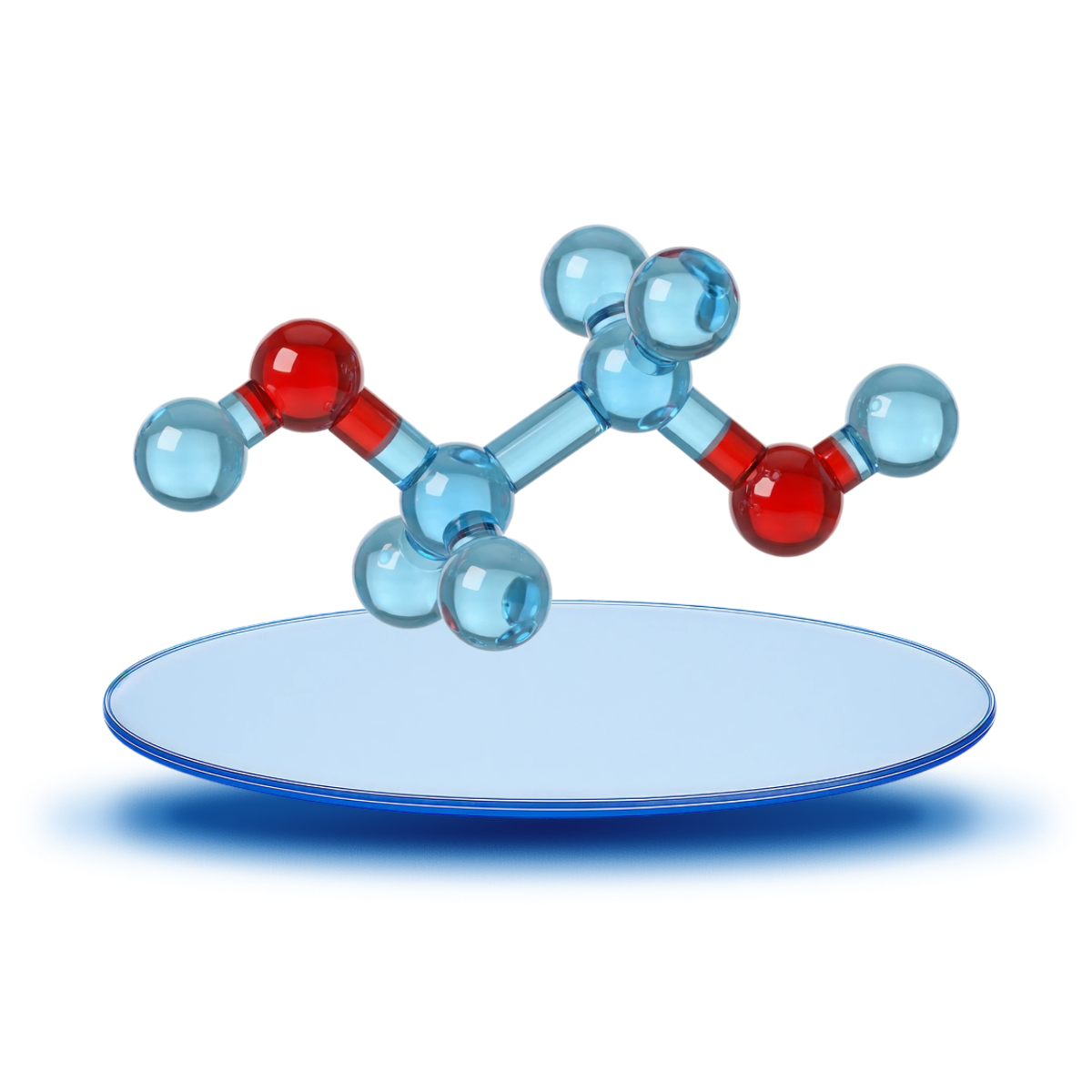
blue compound hovering over a plate

Why Use MRR in Cosmetics Testing?

  • Verify Ingredient Composition

    Confirm ingredient identity and composition through highly specific molecular measurements.

  • Support Product Safety & Quality

    Detect impurities, contaminants, and unexpected compounds that may impact product quality.

  • Simplify Formulation Analysis

    Reduce analytical complexity while accelerating testing across raw materials and finished cosmetic products.

Recommended Products
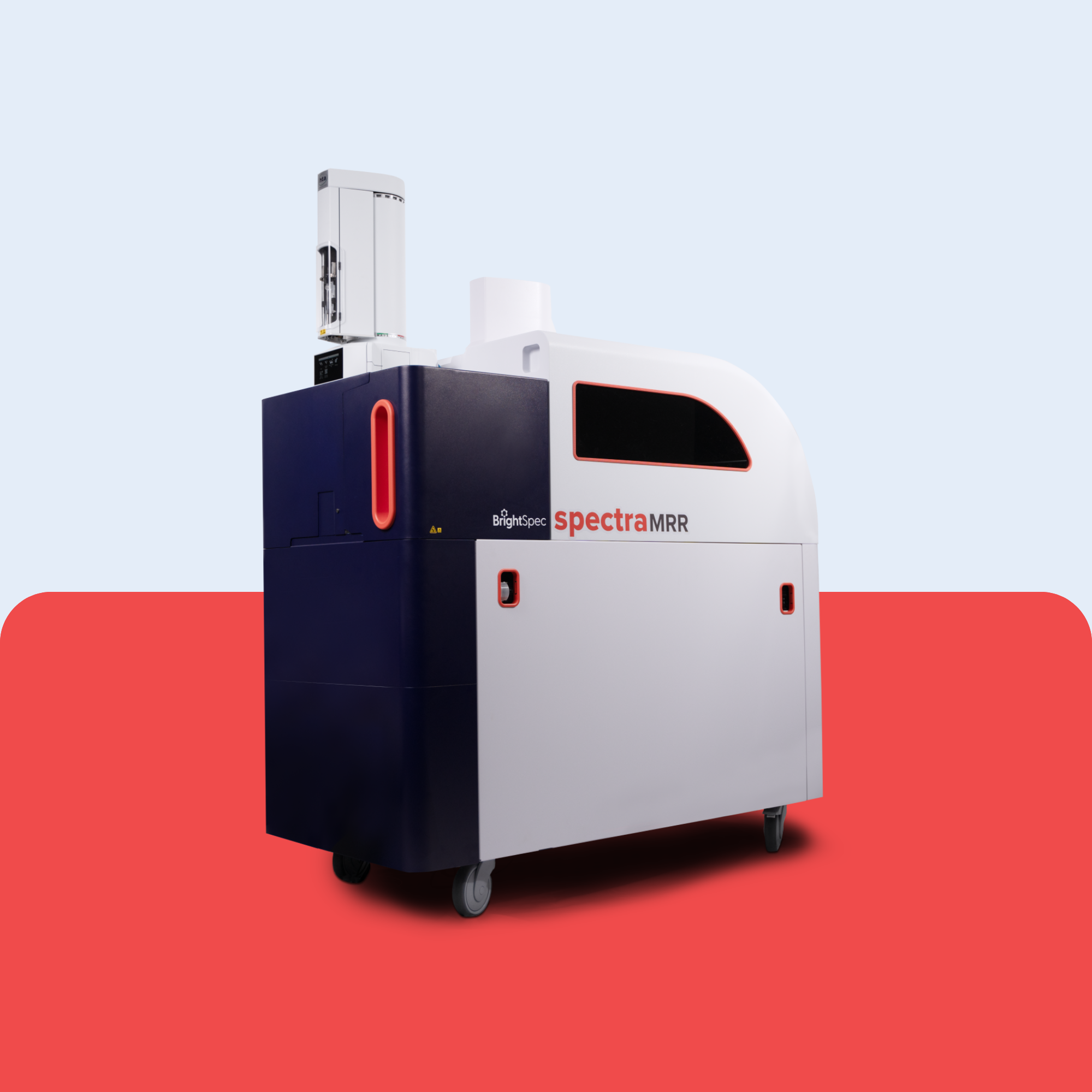
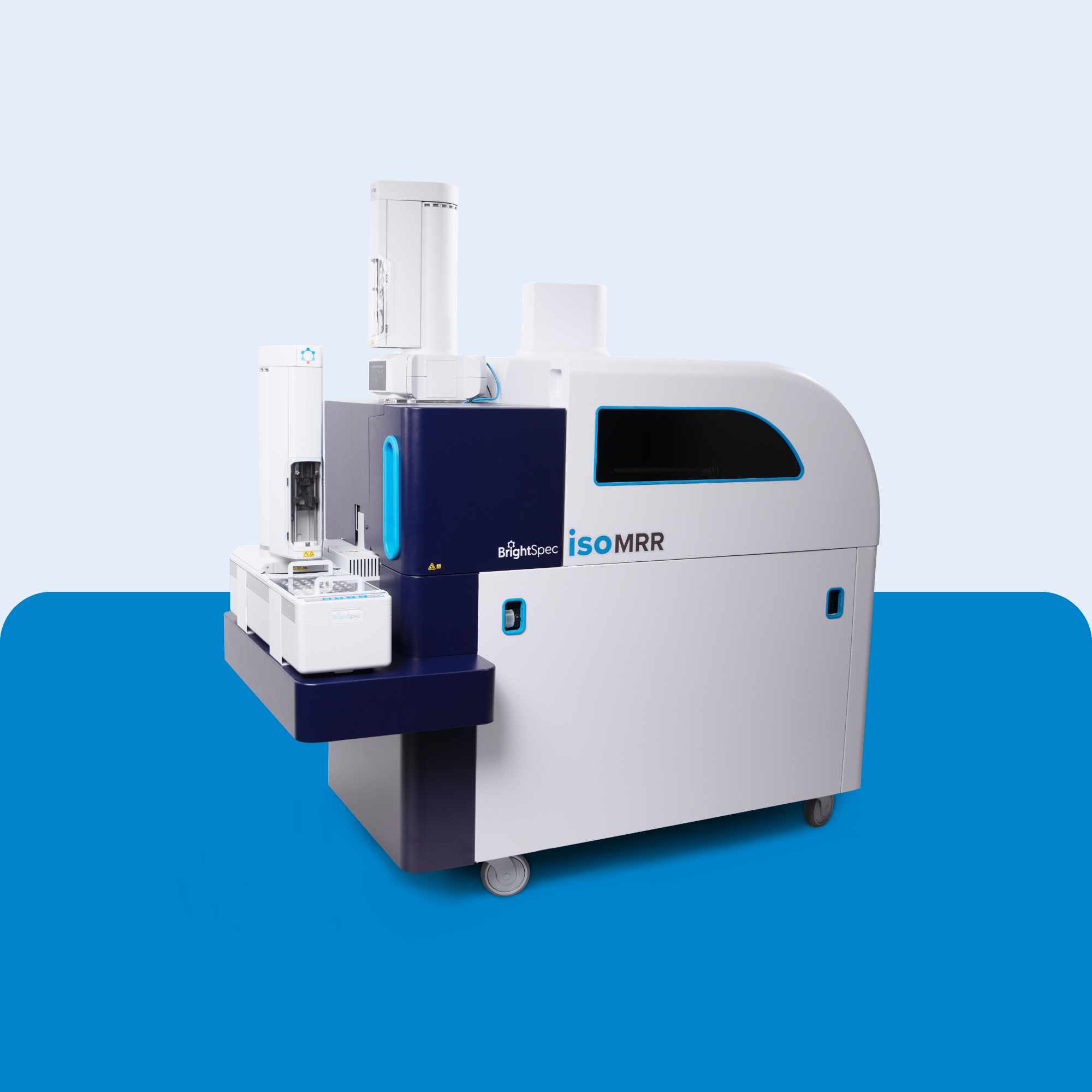
ethylene glycol structure

Frequently Asked Questions

  • How is MRR used in cosmetics testing?

    MRR is used to verify ingredients, detect impurities, and ensure product safety.

  • Can MRR analyze cosmetic formulations?

    Yes, MRR can analyze complex formulations with minimal preparation.

  • What types of compounds are suitable for MRR?

    Small, polar molecules with a dipole moment are ideal for MRR analysis.

Resources

Explore resources for authenticating ingredients, detecting impurities, and analyzing complex cosmetic formulas.
Posters MRR Spectroscopy Cosmetics Industry

Direct Headspace-MRR Quantitation of Ethylene Glycol & Diethylene Glycol Contaminants in Glycerin 


Learn how direct headspace analysis simplifies glycol contaminant testing.

Brochures MRR Spectroscopy Cosmetics

BrightSpec Product Portfolio: Structure & Quantitation Simplified


Learn about BrightSpec's MRR instruments, capabilities, and applications across multiple workflows.

Application Notes MRR Spectroscopy Cosmetics Industry

Unmasking Essential Oil Authenticity with Molecular Rotational Resonance Spectroscopy 


Learn how essential oils can be authenticated with confidence.


2-Apr-15-2025-04-08-47-2383-PM

Subscribe to Our Newsletter