Simplify Chemical Analysis & Process Insight with MRR

BOOK A DEMO

Accelerate Chemical Analysis & Process Understanding with Molecular Rotational Resonance

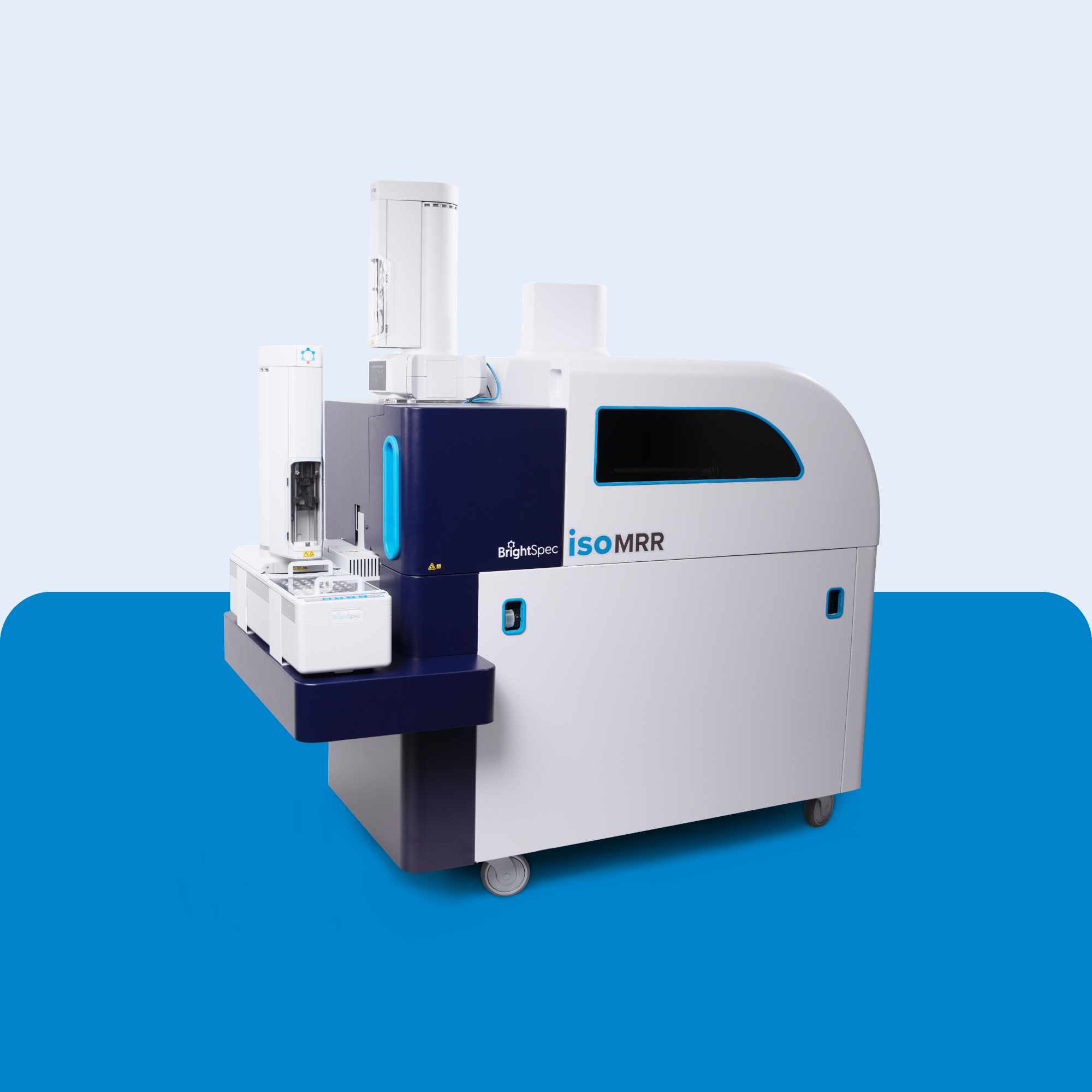
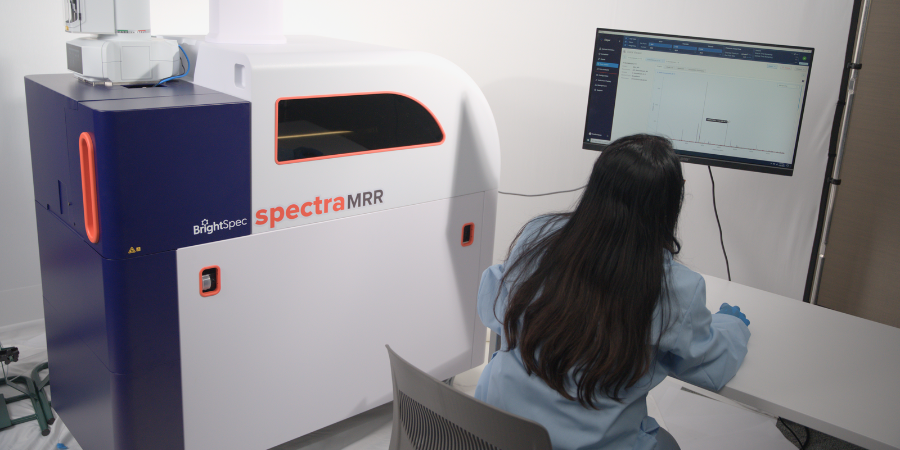
Molecular rotational resonance (MRR) spectroscopy helps chemical scientists characterize reaction mixtures, verify product composition, and monitor impurities through direct molecular measurements. From process development and reaction monitoring to quality control and product characterization, BrightSpec's MRR instruments provide highly specific molecular information that supports faster analytical decision-making.


By reducing reliance on extensive chromatographic separations and multi-step workflows, MRR helps analytical teams gain deeper insight into chemical processes while simplifying routine analysis.


Solving Common Chemical Analysis Challenges with MRR Spectroscopy

Your Challenges

Analytical chemists in chemical manufacturing must monitor impurities, verify product composition, and analyze reaction mixtures, often relying on multi-step workflows and complex separations.

Our Solution

MRR enables direct structural identification and quantification of compounds in complex mixtures, helping scientists characterize reaction products, monitor impurities, and accelerate process understanding.

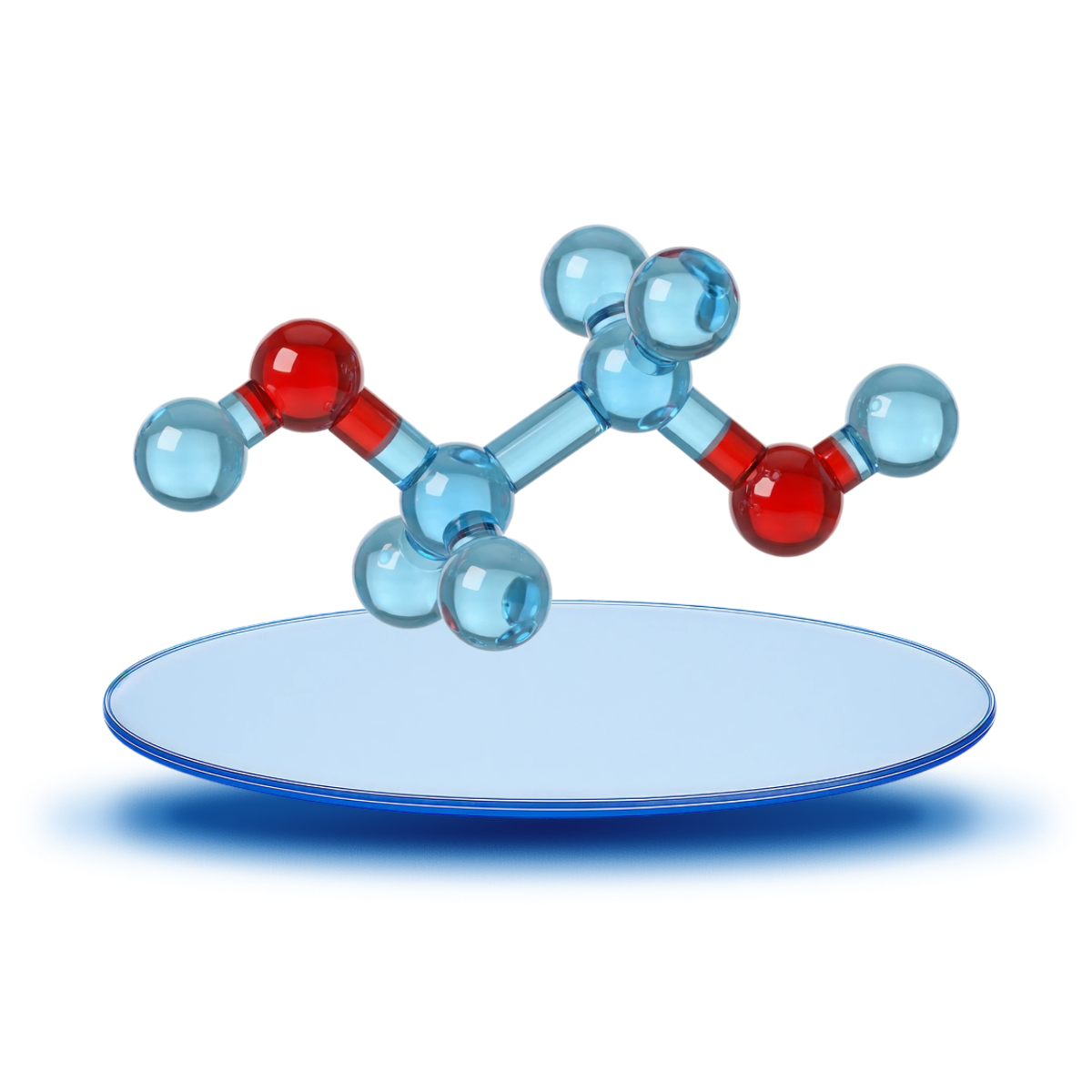
blue compound hovering over a plate

Why Use MRR in Chemical Analysis?

  • Characterize Reaction Mixtures

    Analyze reaction products and intermediates through highly specific molecular measurements.

  • Verify Product Composition

    Verify compound identity and composition throughout development and manufacturing processes.

  • Simplify Process Analysis

    Reduce reliance on complex separations while accelerating investigations and routine analytical activities.

Recommended Products

ethylene glycol structure

Frequently Asked Questions

  • How is MRR used in chemical analysis?

    MRR is used to identify compounds, monitor impurities, and analyze reaction mixtures.

  • Can MRR analyze complex mixtures?

    Yes, MRR provides structure-specific identification within mixtures.

  • What types of molecules are suitable for MRR?

    MRR works best for small, polar molecules with a measurable dipole moment.

Resources

Explore resources highlighting impurity analysis, compound identification, and molecular characterization for industrial chemistry applications.
Webinars MRR Spectroscopy Chemical Industry

 MRR Spectroscopy: A Powerful Analytical Technique for Industrial Chemistry 


Learn how MRR provides highly specific molecular information for industrial chemistry workflows.

Publications MRR Spectroscopy Chemical Industry

Direct Measurement of Small Polar Impurities in Gasoline Mixtures MRR Spectroscopy 


Learn how polar impurities can be identified in complex fuel matrices.

2-Apr-15-2025-04-08-47-2383-PM

Subscribe to Our Newsletter