
Frequently Asked Questions
-
What is quantitative analysis?
Quantitative analysis determines the concentration or amount of a compound within a sample.
-
How does MRR spectroscopy support quantitation?
MRR generates highly specific molecular spectral fingerprints that support confident quantitation of target compounds, impurities, and degradation products.
-
Can MRR quantify closely related compounds?
Yes. MRR's structure-specific measurements help distinguish and quantify compounds that may be difficult to resolve using conventional analytical techniques.
-
What industries benefit from MRR quantitation?
Pharmaceutical, chemical, consumer products, food & beverage, and flavor & fragrance are some examples of industries that can benefit from MRR-enabled quantitation.
-
Which BrightSpec instruments support quantitation workflows?
Both the spectraMRR and isoMRR platforms support quantitative analysis workflows. isoMRR is optimized for library-based quantitation, while spectraMRR combines quantitation with structure identification and library building capabilities.
Recommended Products
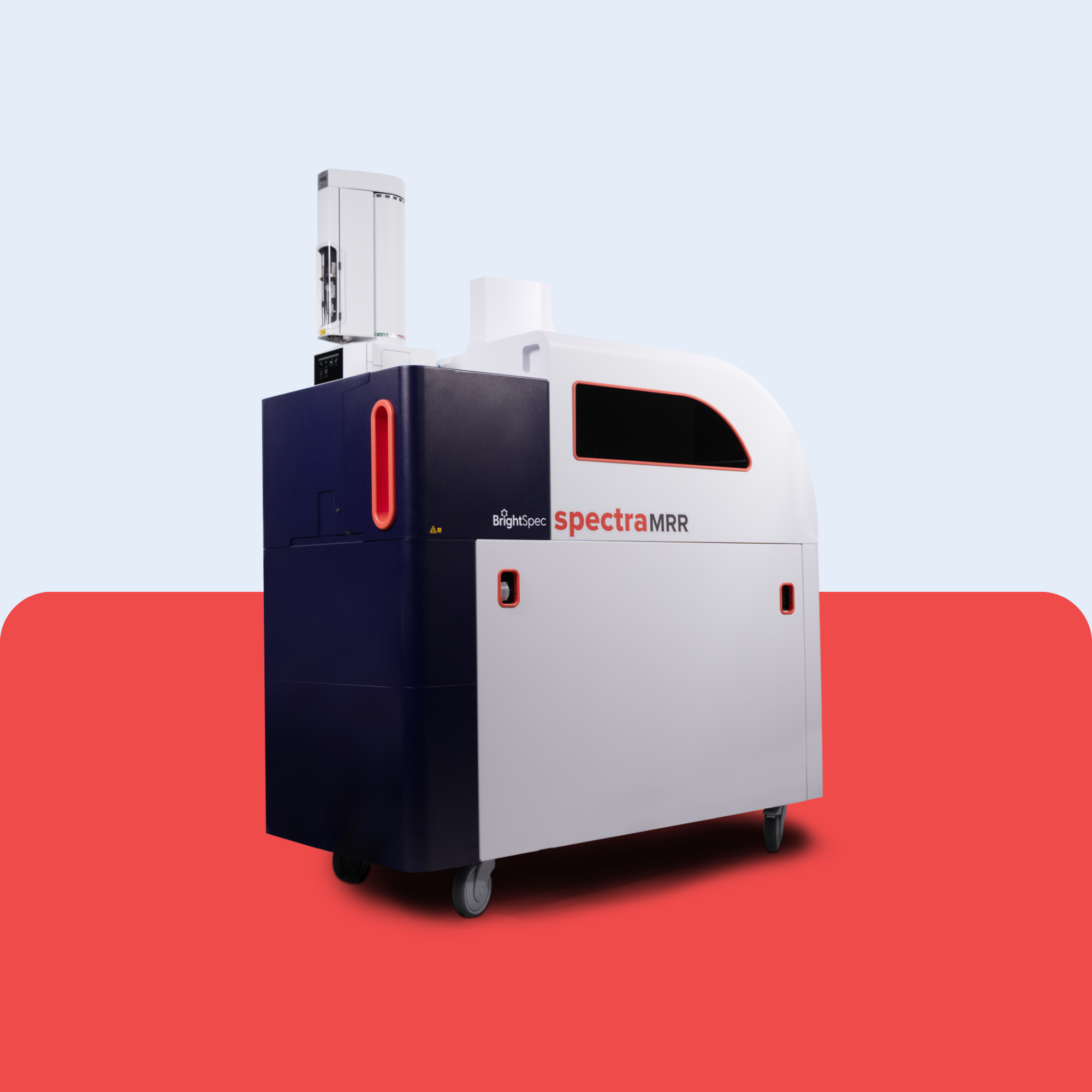
Meet the 
The spectraMRRTM is BrightSpec's most powerful instrument, designed to streamline complex analytical workflows for pharmaceutical chemists.
 Structure Identification Structure Identification |
|
Quantitation |
|
Library Building |
|
Chiral Analysis |

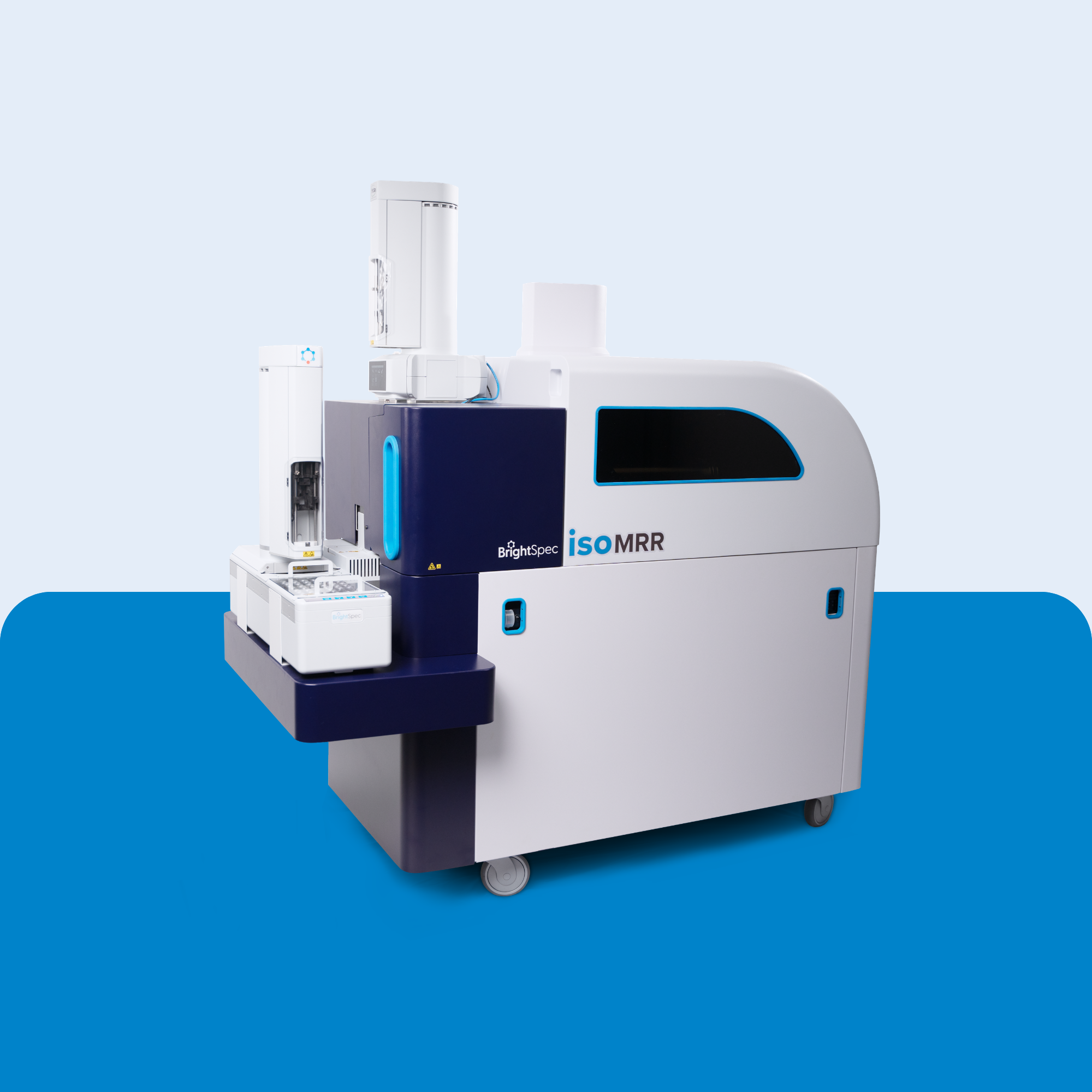
Meet the 
The isoMRRTM is ideal for analytical chemists running routine analysis of challenging analytes in complex mixtures.
|
Quantitation |
|
Access to Pre-Built Reference Library |
|
Chiral Analysis |